What we did
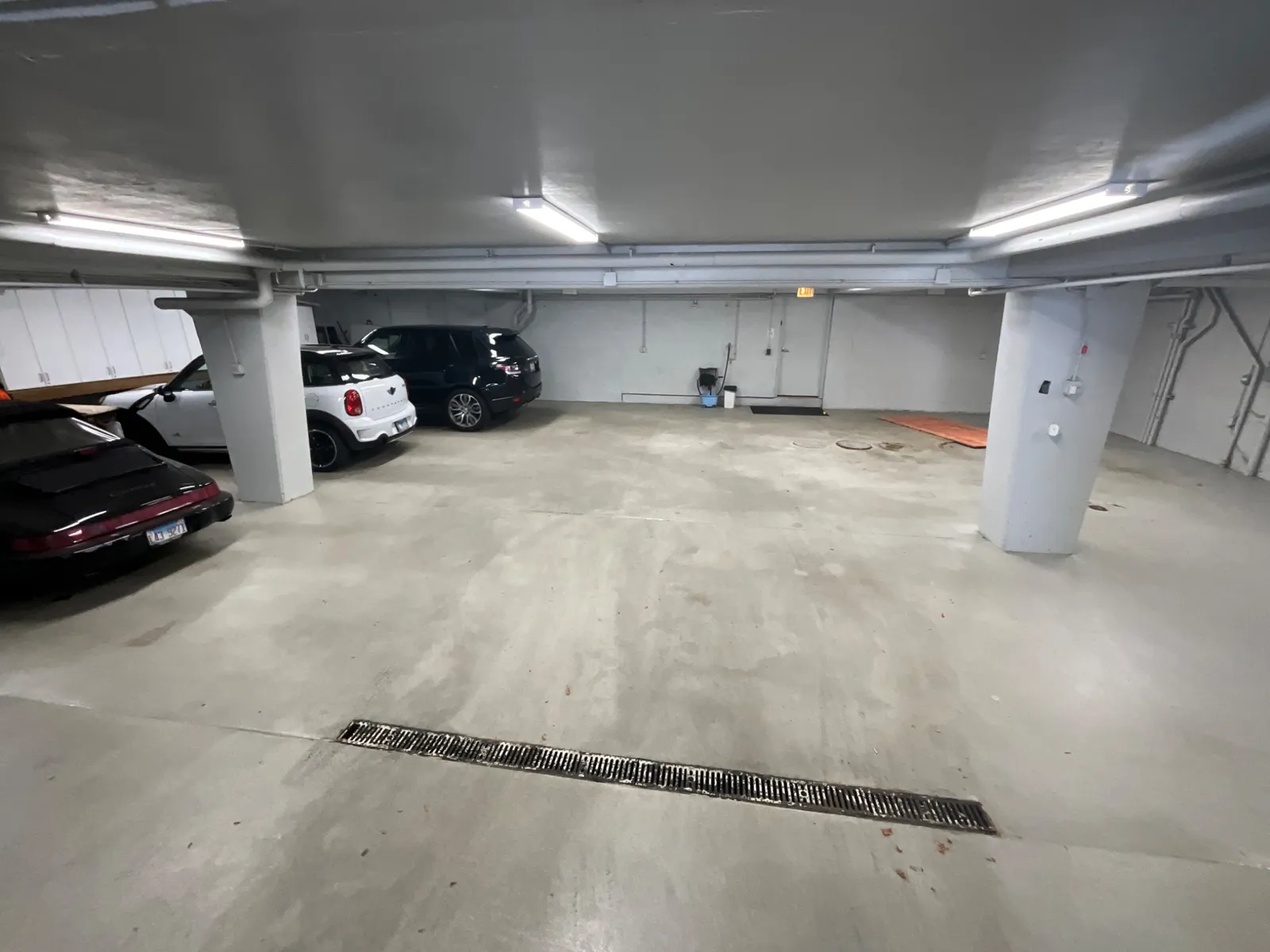
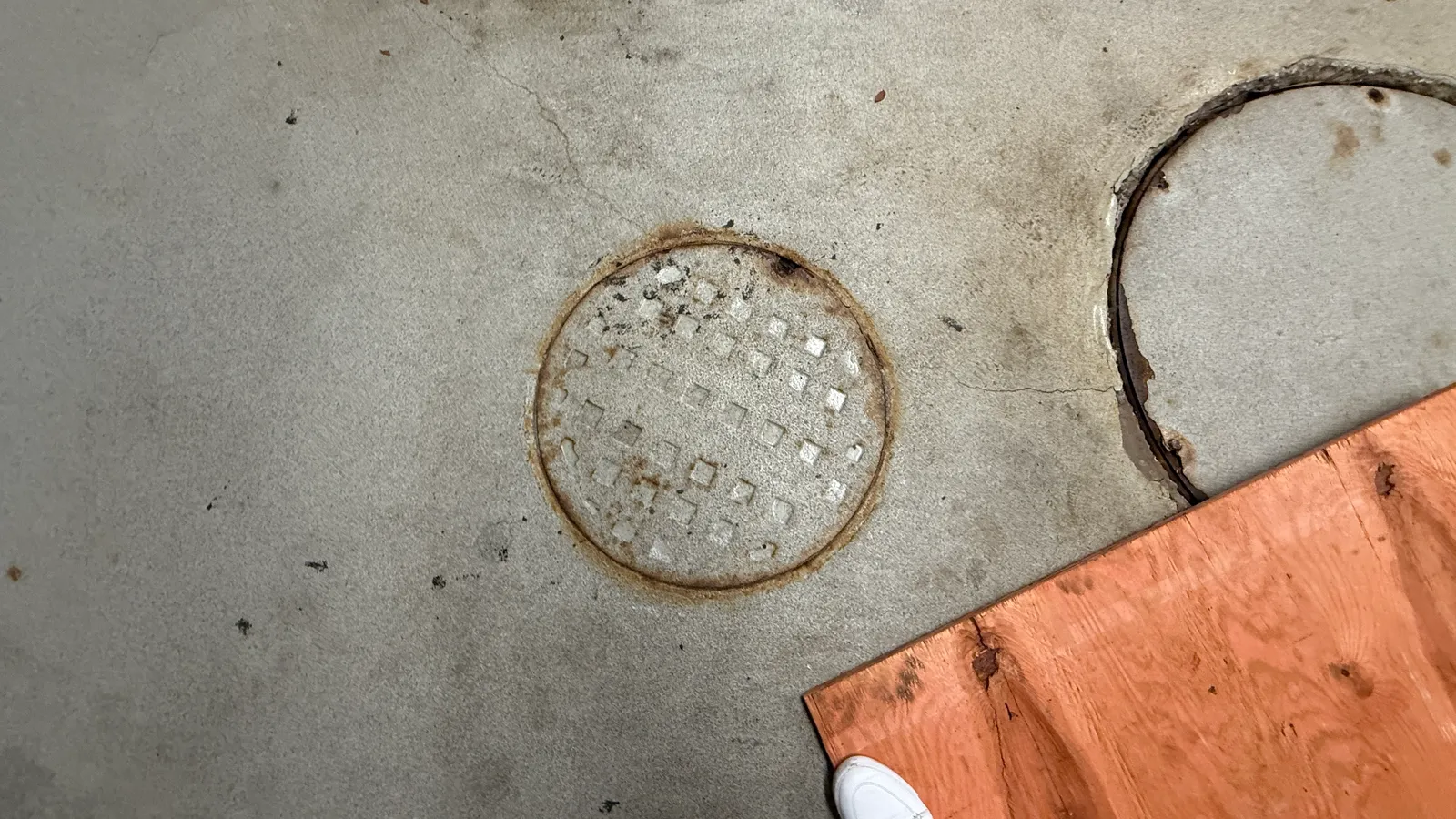
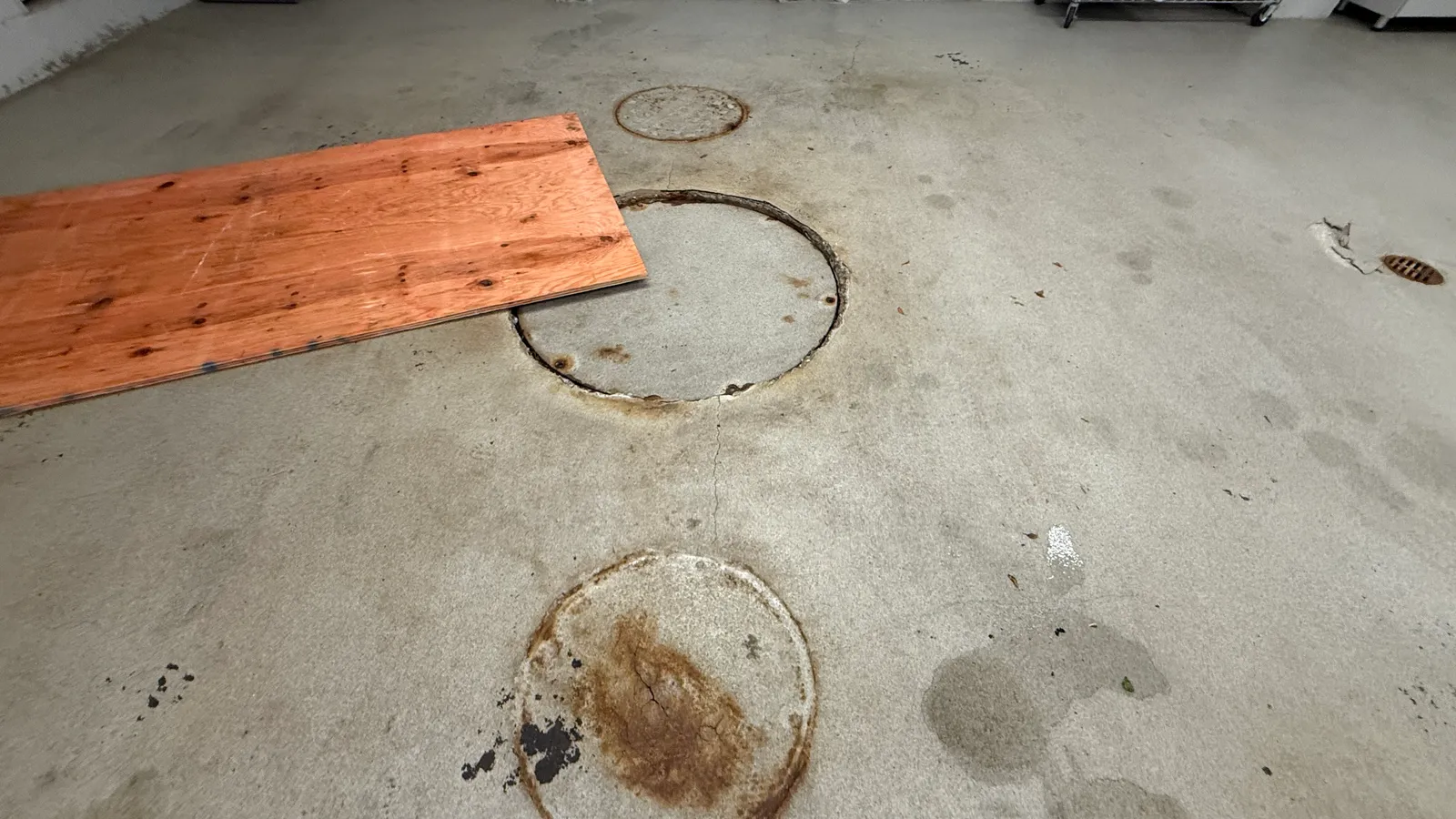
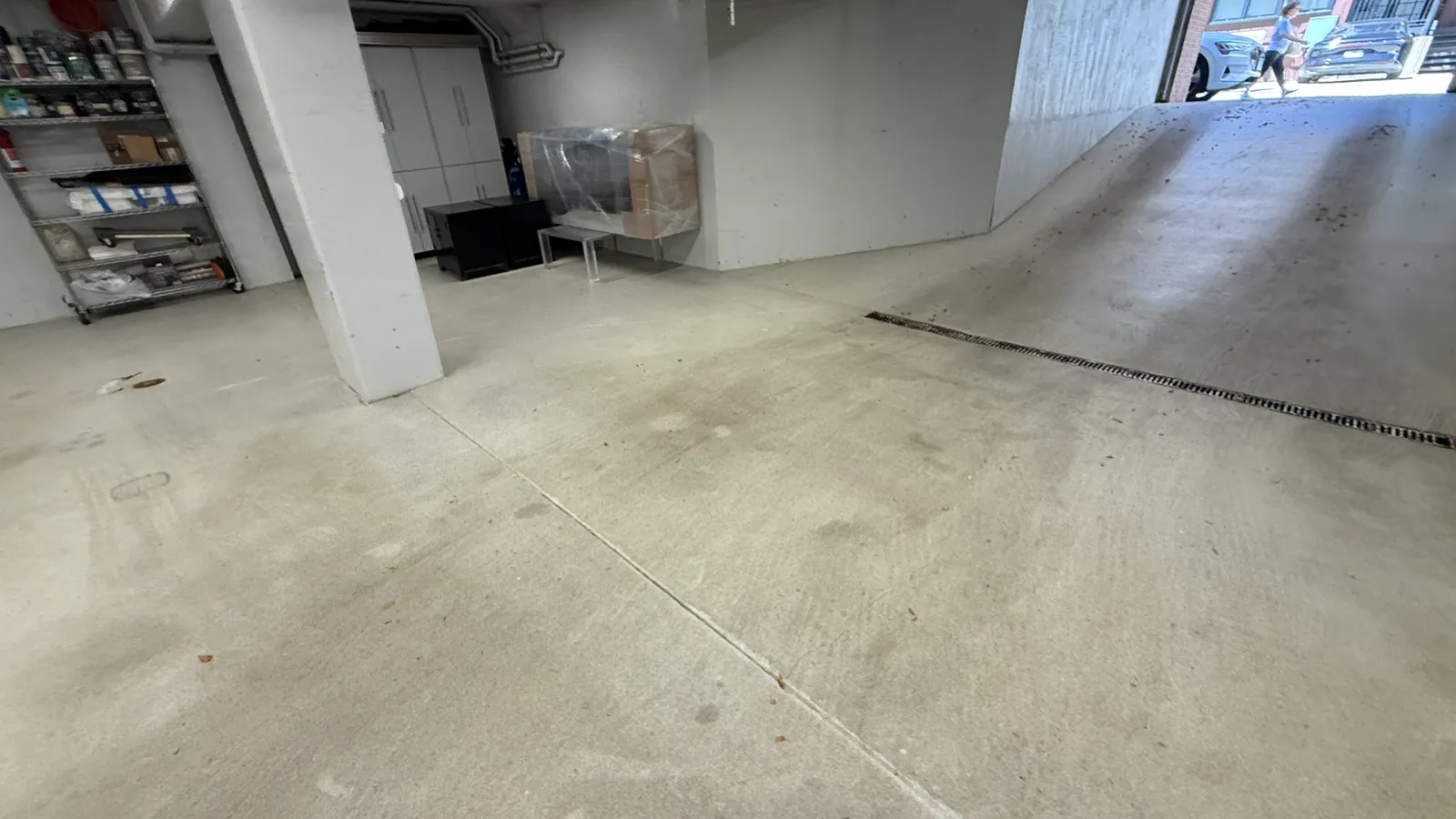
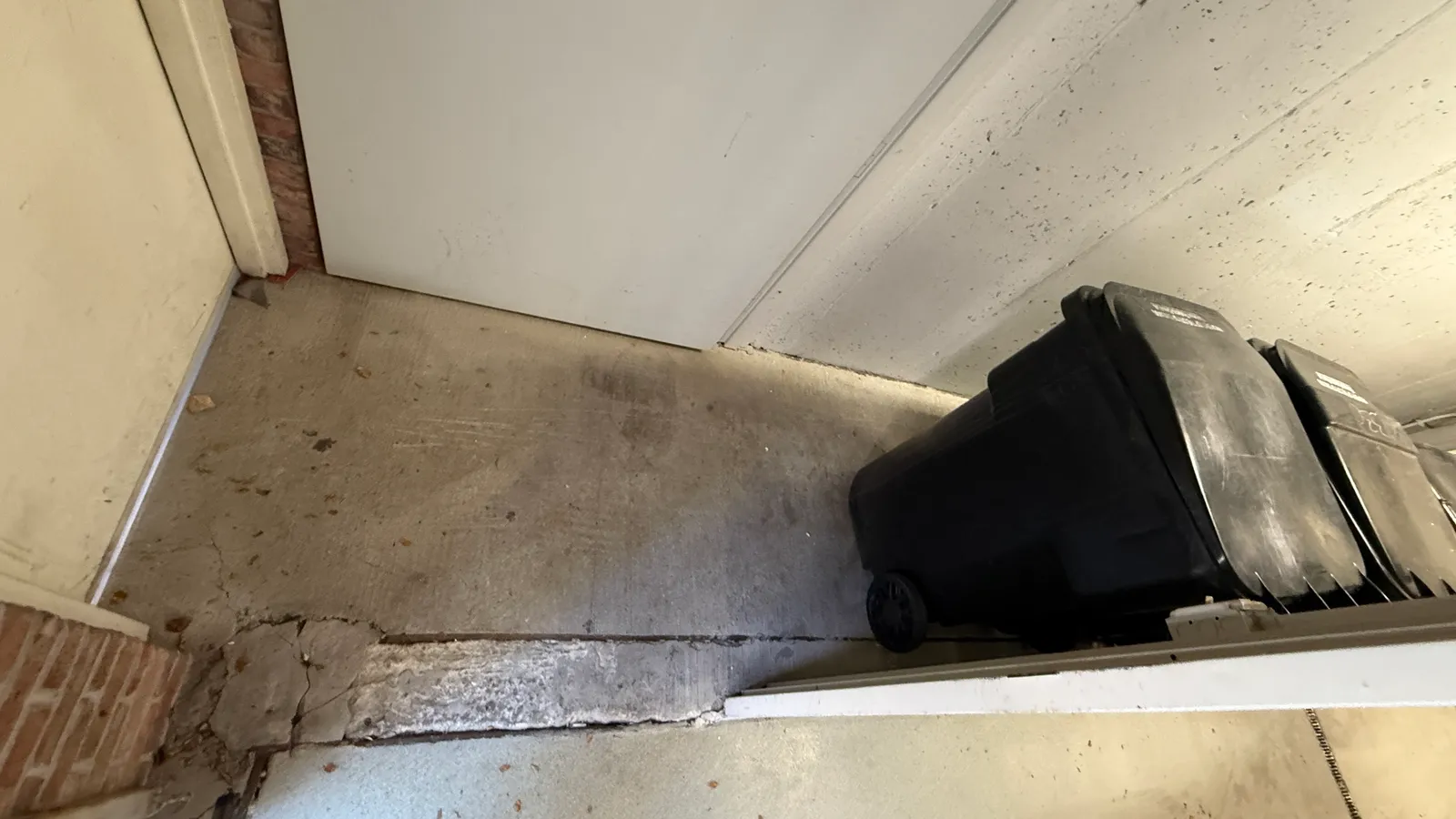
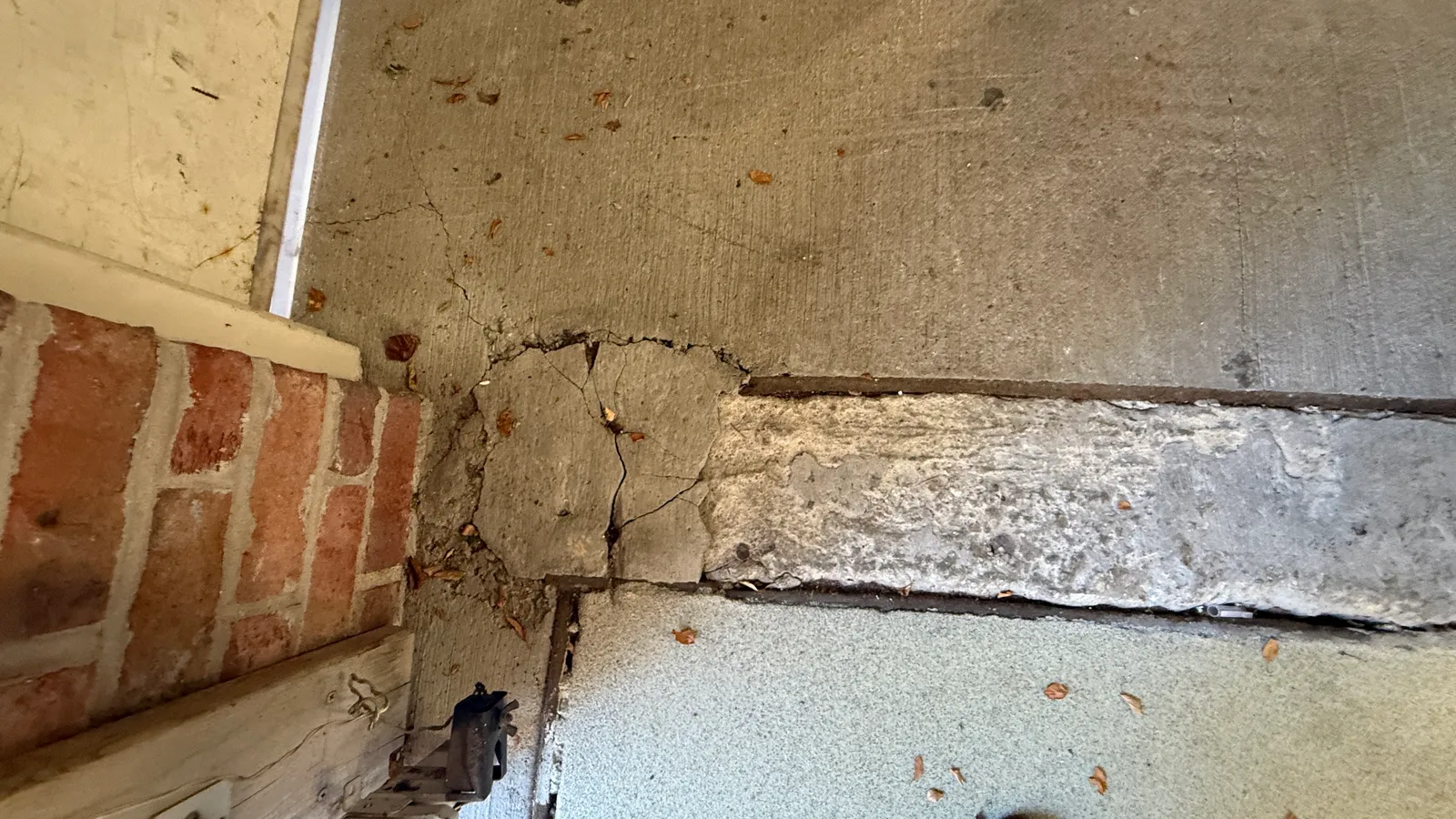
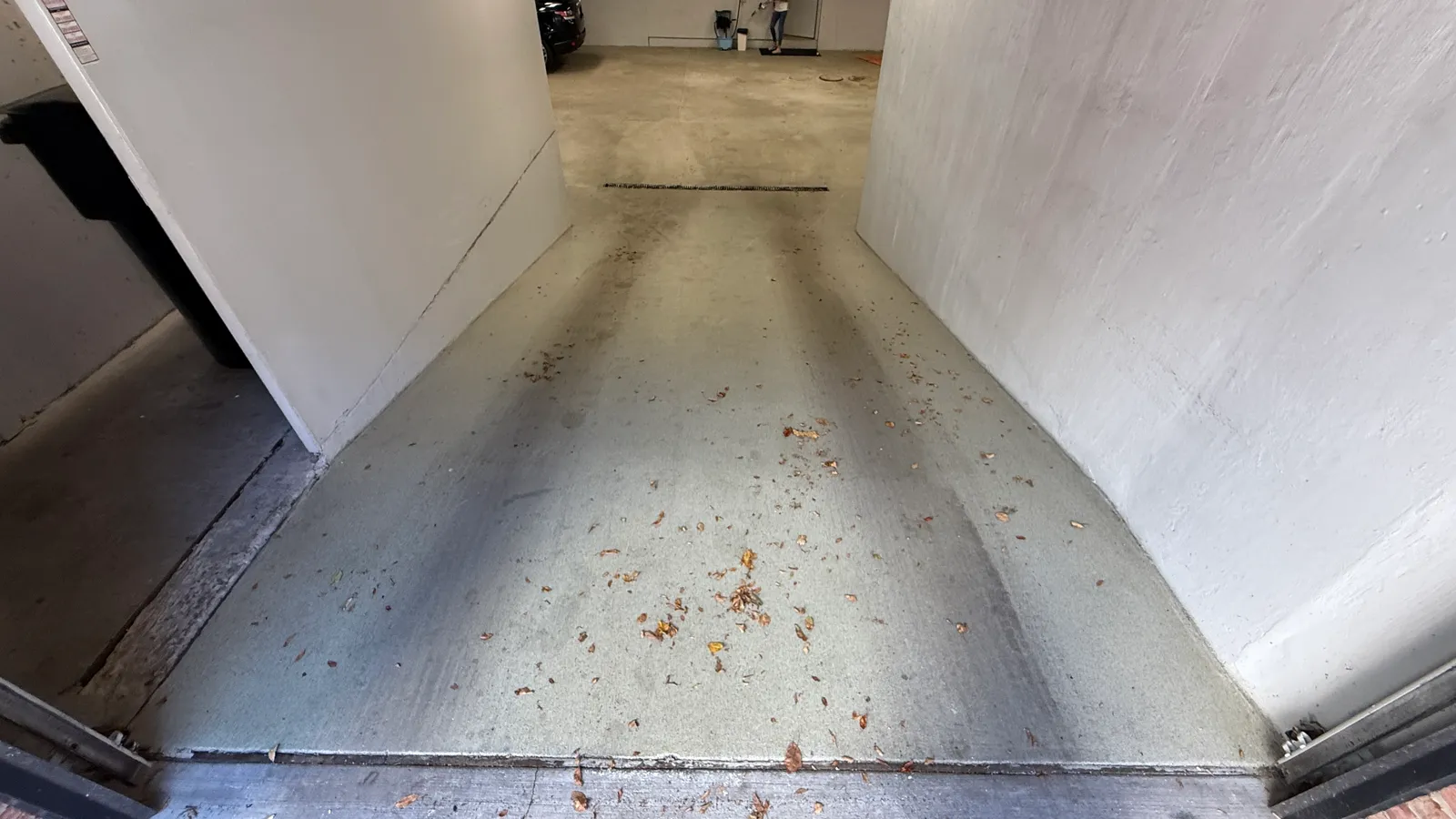
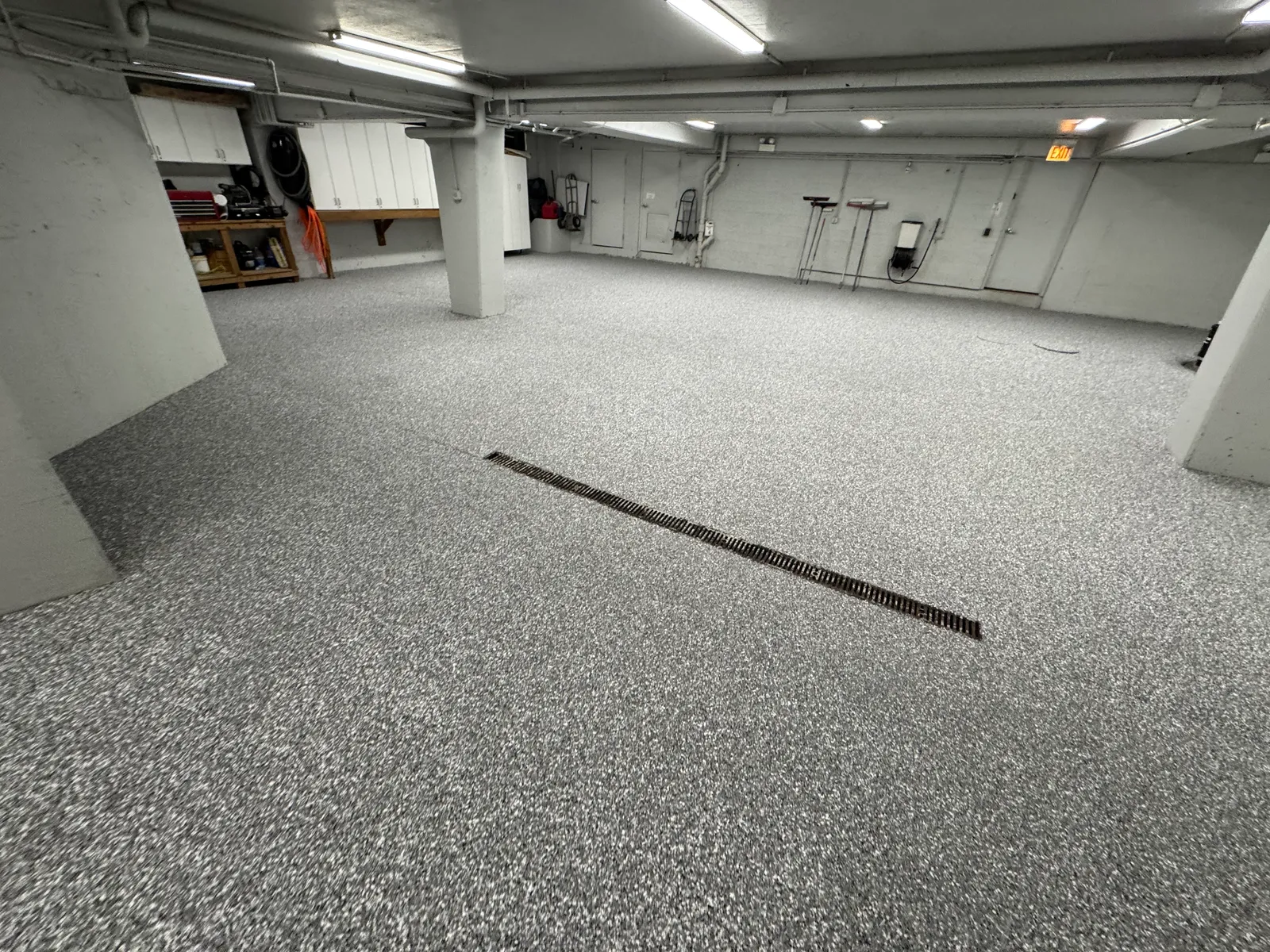
This was a big one: a five-car garage, about 2,100 square feet once we counted the outside edge. The floor wasn't bare concrete, either. It already had an existing coating on it, and that shaped how we started. A new system can only hold as well as whatever it's bonded to. So before anything new went down, our first job was getting that old surface ready for the new coating to grip.
Prep started with diamond grinding across the whole floor. Grinding takes off the surface sheen and any contaminants and leaves a slightly rough profile, a bit like fine sandpaper, that the base coat can lock into. We grind instead of acid-etching because acid can't cut through an existing finish and gives a less consistent surface on bare concrete. Coating straight over an old, glossy finish without that step is how floors end up peeling.
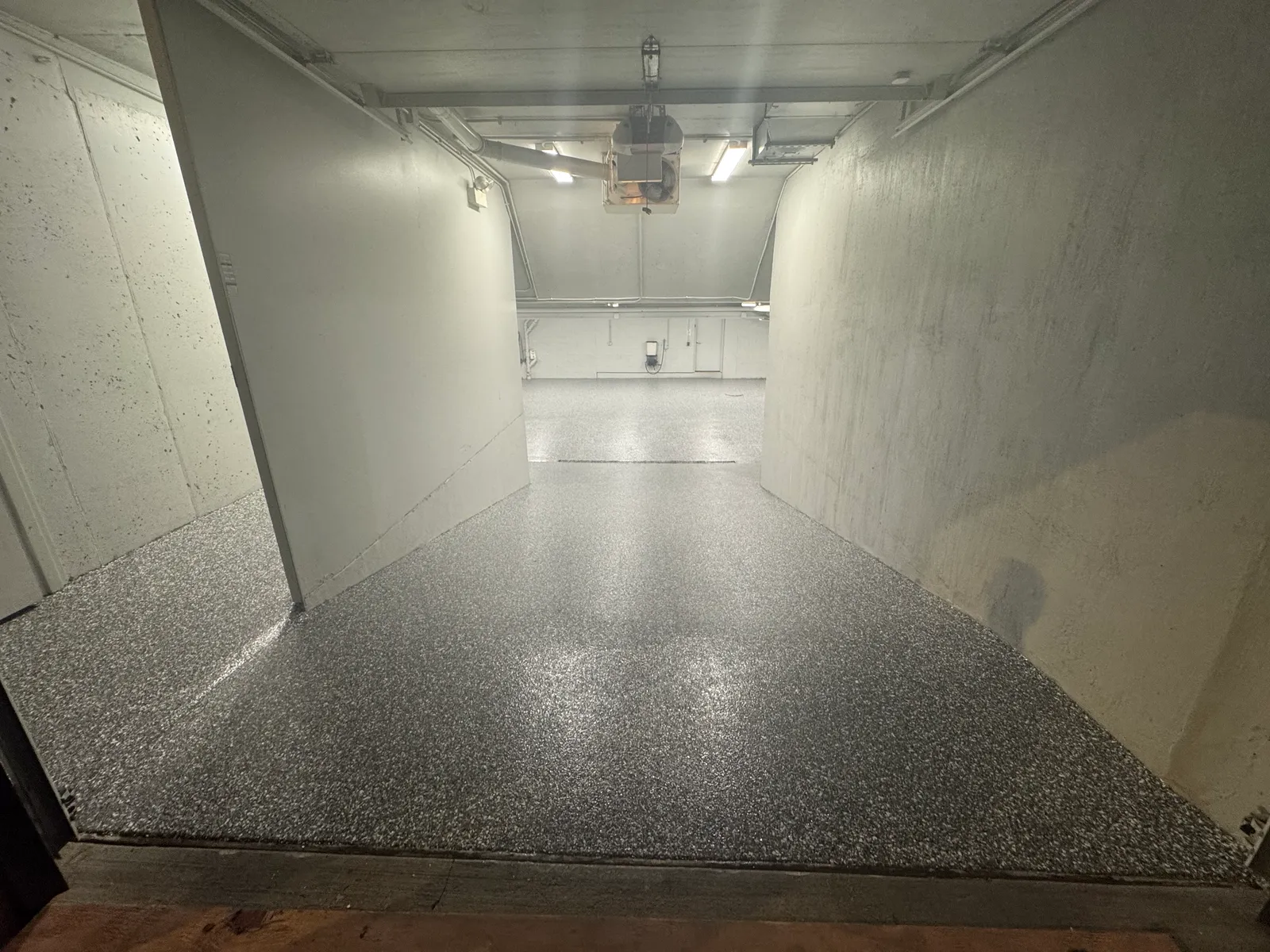
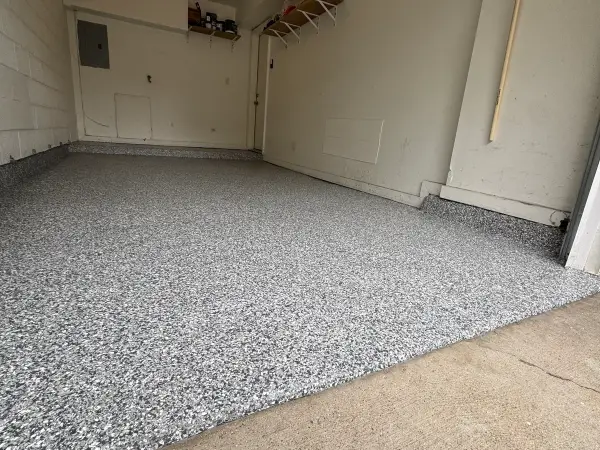
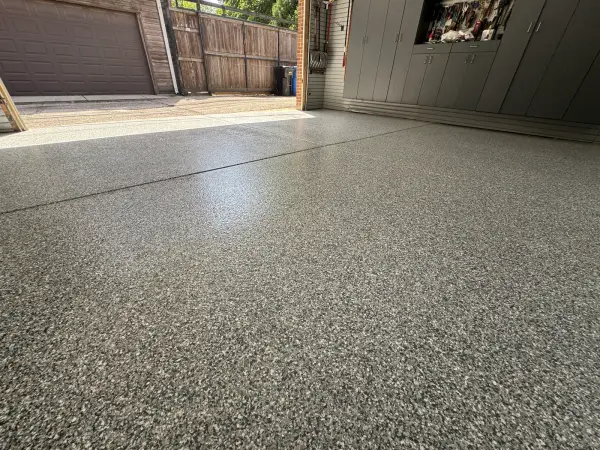
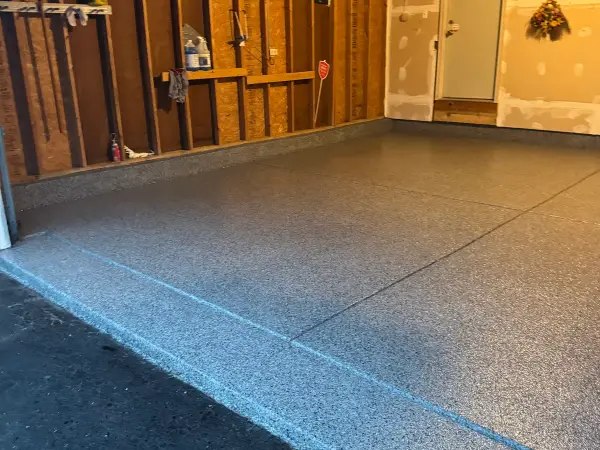
With the floor ready, we laid down the polyurea base coat and broadcast Nightfall flake to rejection, which means we kept adding flake until the wet base couldn't hold any more. Once it set, we scraped and vacuumed off the loose flake and applied the clear polyaspartic topcoat. That's our standard polyurea garage coating system. The homeowner also added aluminum-oxide grit in the topcoat across all 2,100 square feet. It's a fine aggregate that gives shoes more traction, though a wet or oily floor still calls for care.
The install took two days. The floor was walkable after about 12 hours and ready for full use, cars included, after about 48 hours. If you've got a large garage with an old coating already on it, this job is a good example that the existing finish doesn't have to stop you. With proper grinding first, a full flake system with a slip-resistant topcoat can go down over the same slab in a couple of days.