Pool deck coatings built for bare feet, splash water and Chicago summers — quartz broadcast,
full polyaspartic and epoxy systems, all sealed with a UV-stable polyaspartic topcoat that
shrugs off chlorine and won't yellow.
ASTM Slip Resistance Cool to Bare Feet Chlorine-Resistant
A pool deck has the hardest job of any concrete around your home — barefoot kids, constant
splash water, chlorine, sunscreen, freeze-thaw all winter, and direct summer sun for hours.
Uncoated decks turn slippery when wet, get painfully hot in dark colors, and start spalling
from chemical exposure.
A properly coated pool deck adds aggressive slip resistance, blocks chlorine and UV at the
topcoat, and stays cool to bare feet in lighter colors. We install three pool deck systems —
quartz broadcast
(our top recommendation around water), full polyaspartic, and pigmented
epoxy — and every one is finished
with a UV-stable polyaspartic topcoat.
Honest ranges for Chicago pool decks — including diamond-ground prep, crack and joint repair, edge masking, materials and labor. Quartz is our top recommendation around water.
Small Pool Deck
$2,800–4,400
Approx. 350–500 sq ft
Diamond-ground prep
Pool edge masking
Epoxy or polyaspartic basecoat
Vinyl flake broadcast
UV-stable polyaspartic topcoat
Free on-site estimate
Most Popular
Medium Pool Deck
$4,200–6,600
Approx. 600–800 sq ft
Diamond-ground prep
Pool edge masking
Full polyaspartic basecoat
Vinyl flake broadcast
UV-stable polyaspartic topcoat
Free on-site estimate
Large Pool Deck
$6,800–11,000
Approx. 900–1,300 sq ft
Diamond-ground prep
Pool edge masking
Polyaspartic or epoxy basecoat
Flake or quartz options
UV-stable polyaspartic topcoat
Free on-site estimate
Quartz Broadcast
$10–15 / sqft
Our best pool deck system · 15–25 yr lifespan
Diamond-ground prep
Pool edge masking
Epoxy primer
Double quartz aggregate broadcast
ASTM-rated slip resistance
UV-stable polyaspartic topcoat
Ranges assume concrete in normal condition. Heavy spalling, deep stamped texture, coping work, or previously sealed pool decks may need extra prep — we'll flag those costs in writing before any work begins. Questions about pricing? Call (847) 999-6330 →
Design Options
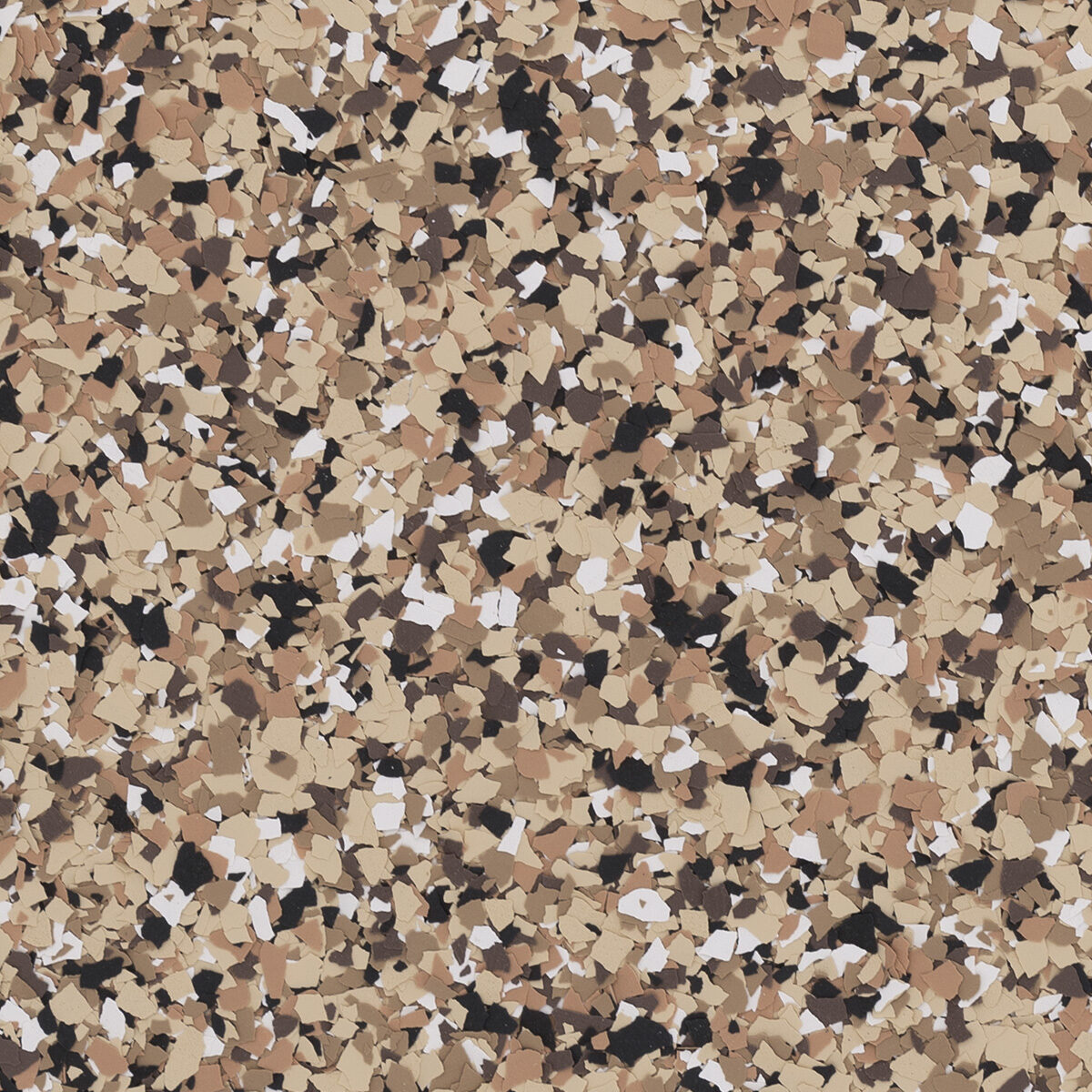
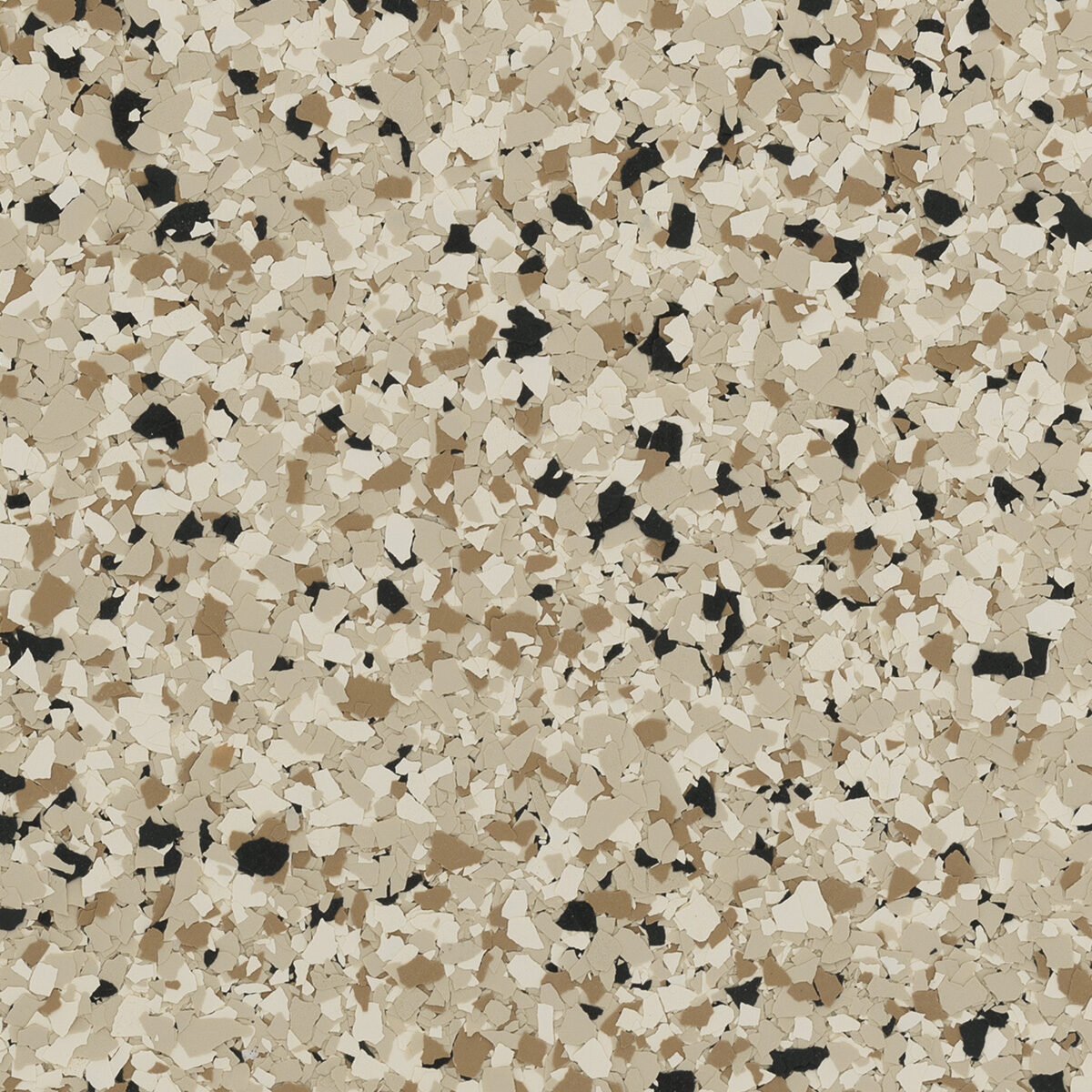
Flake Blends for Pool Decks
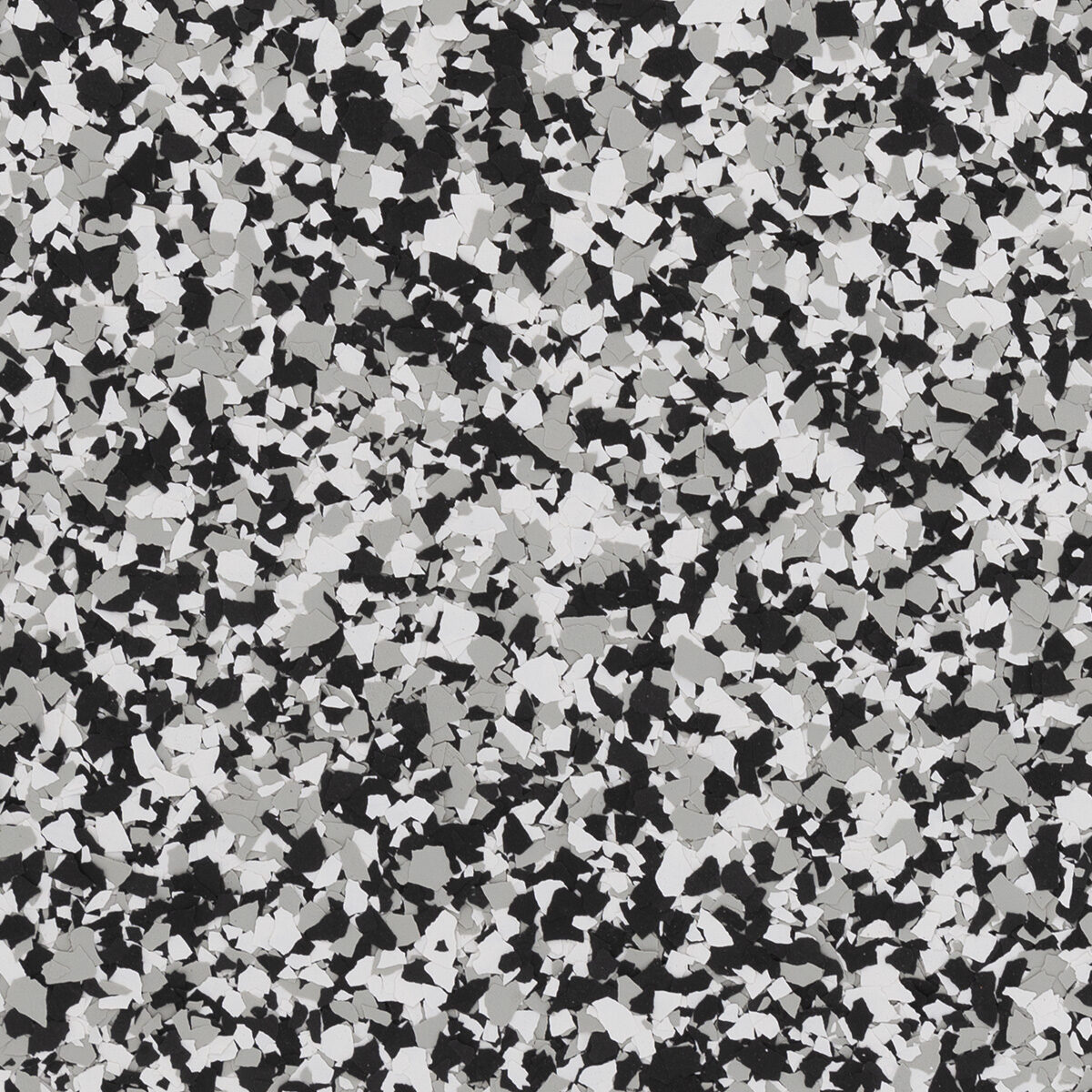
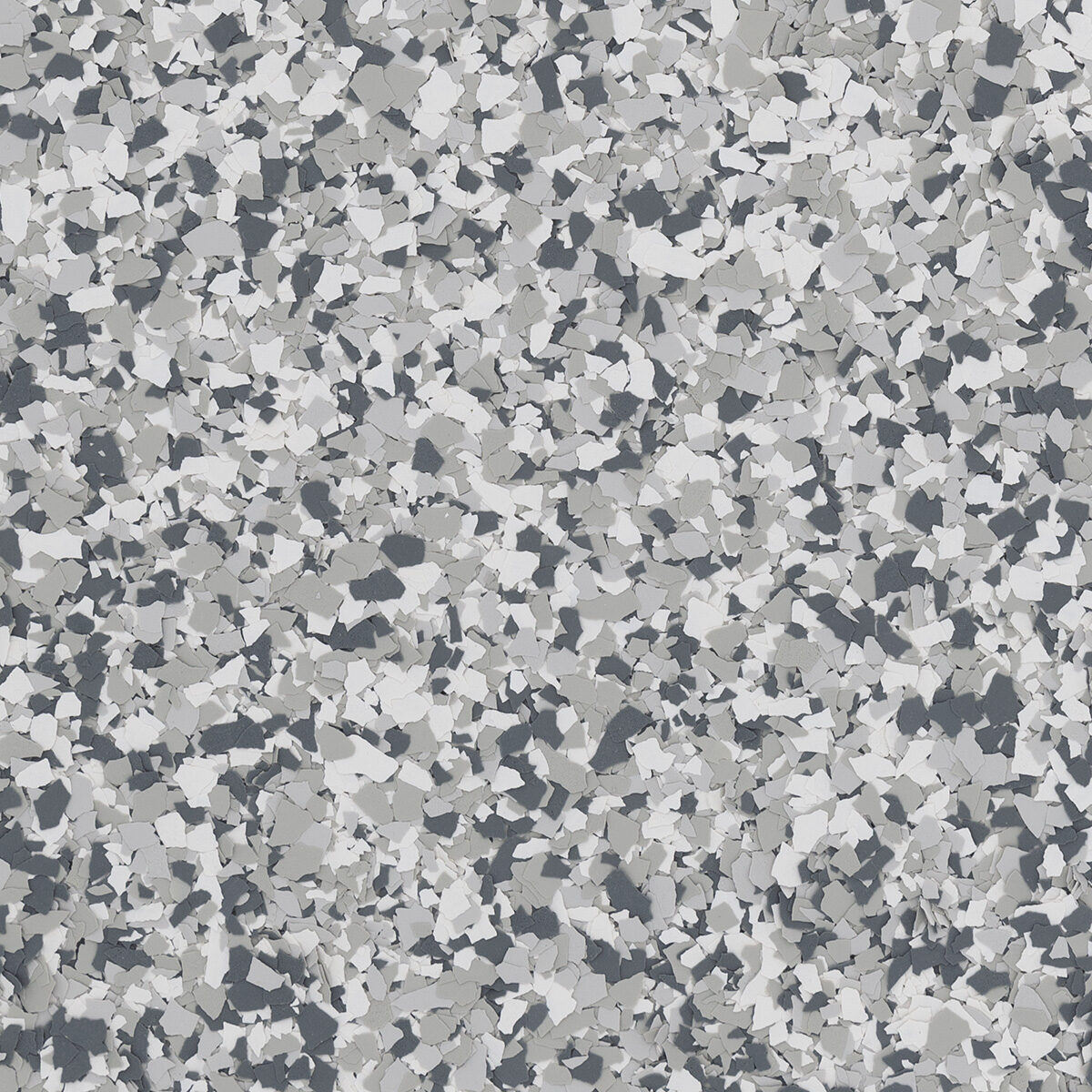
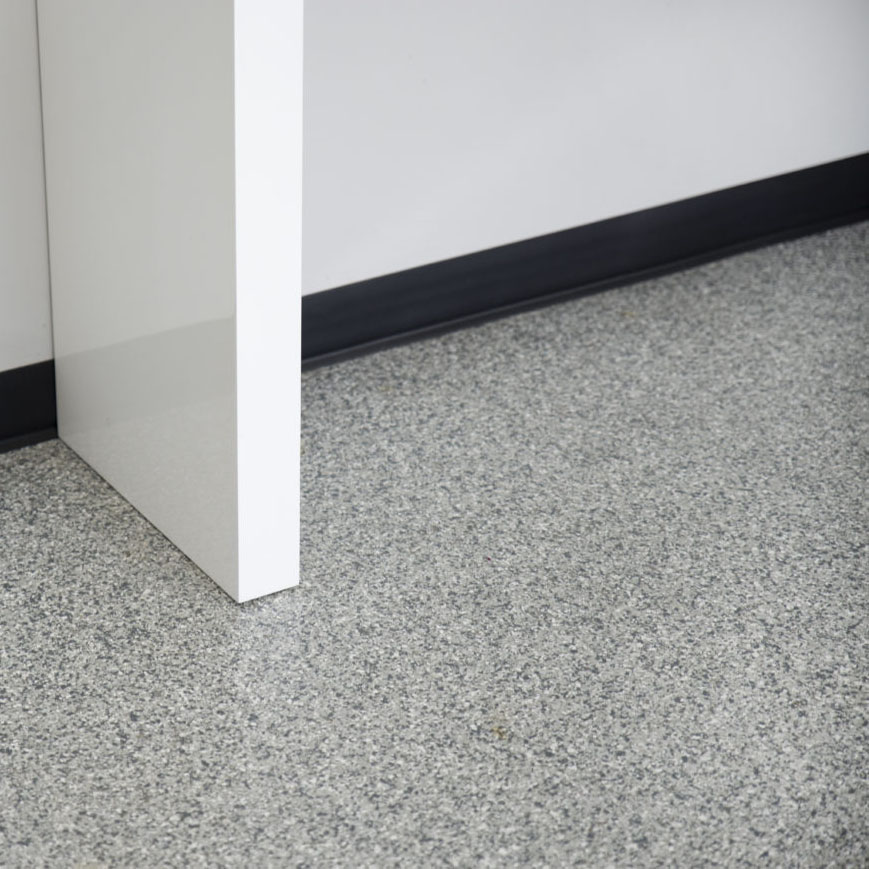
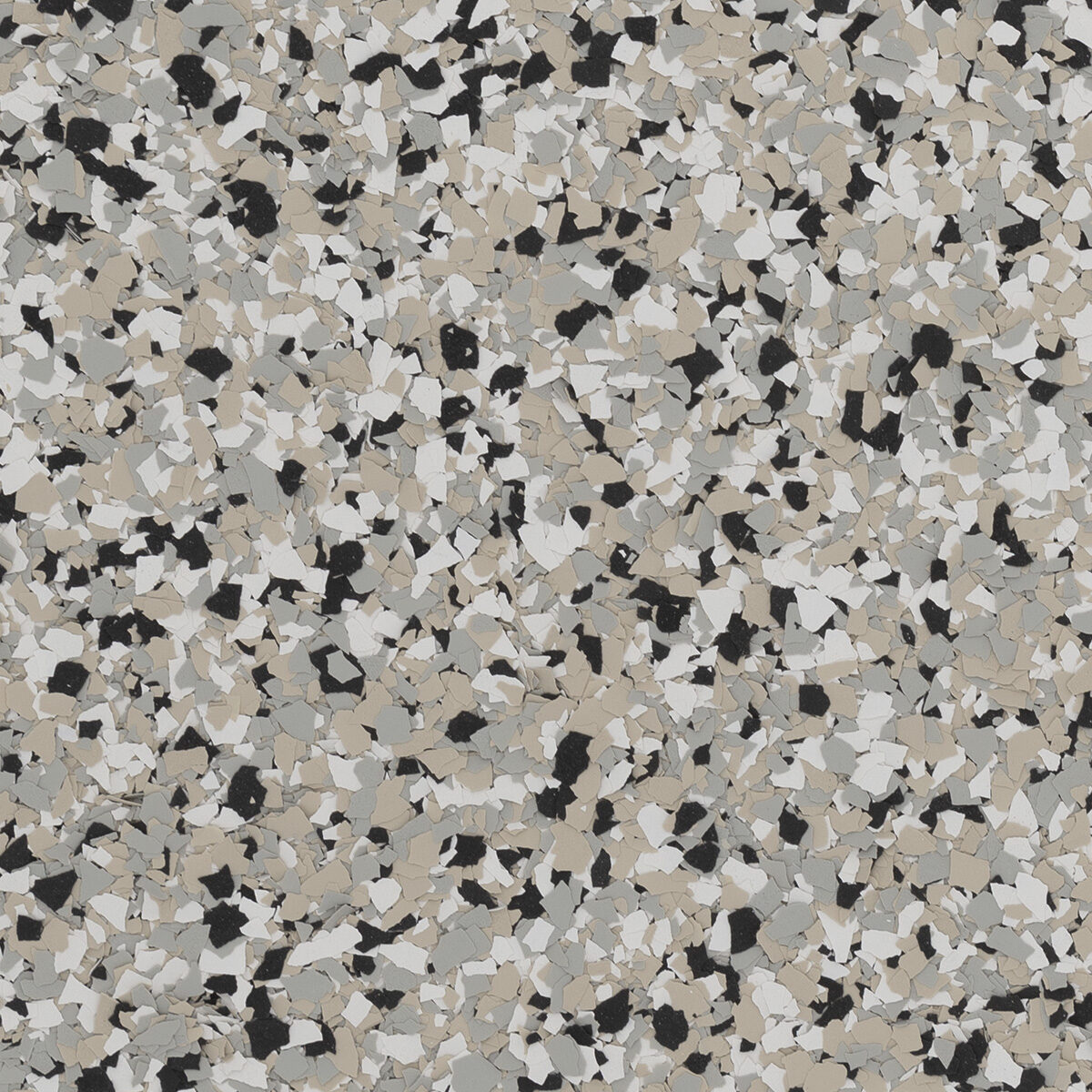
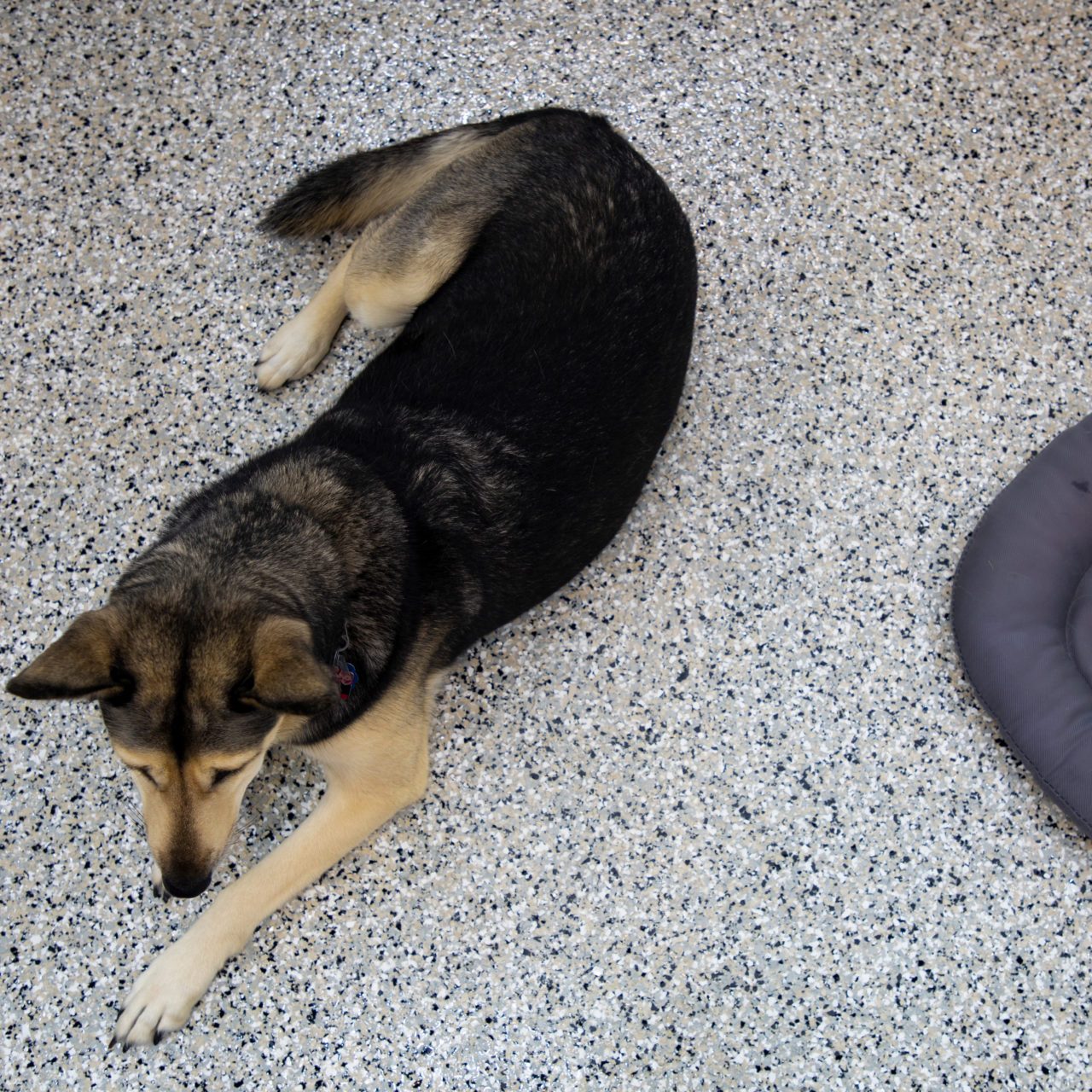
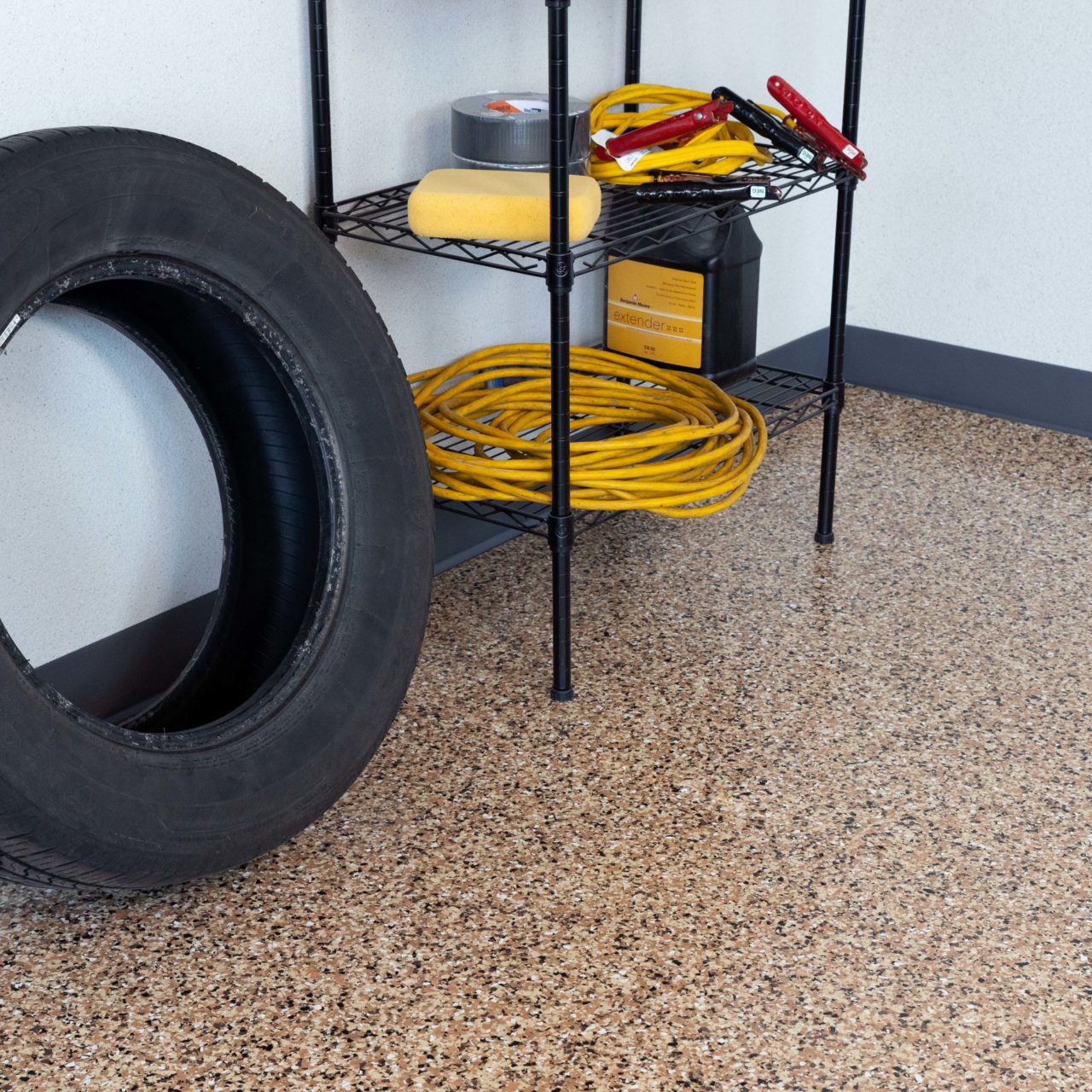
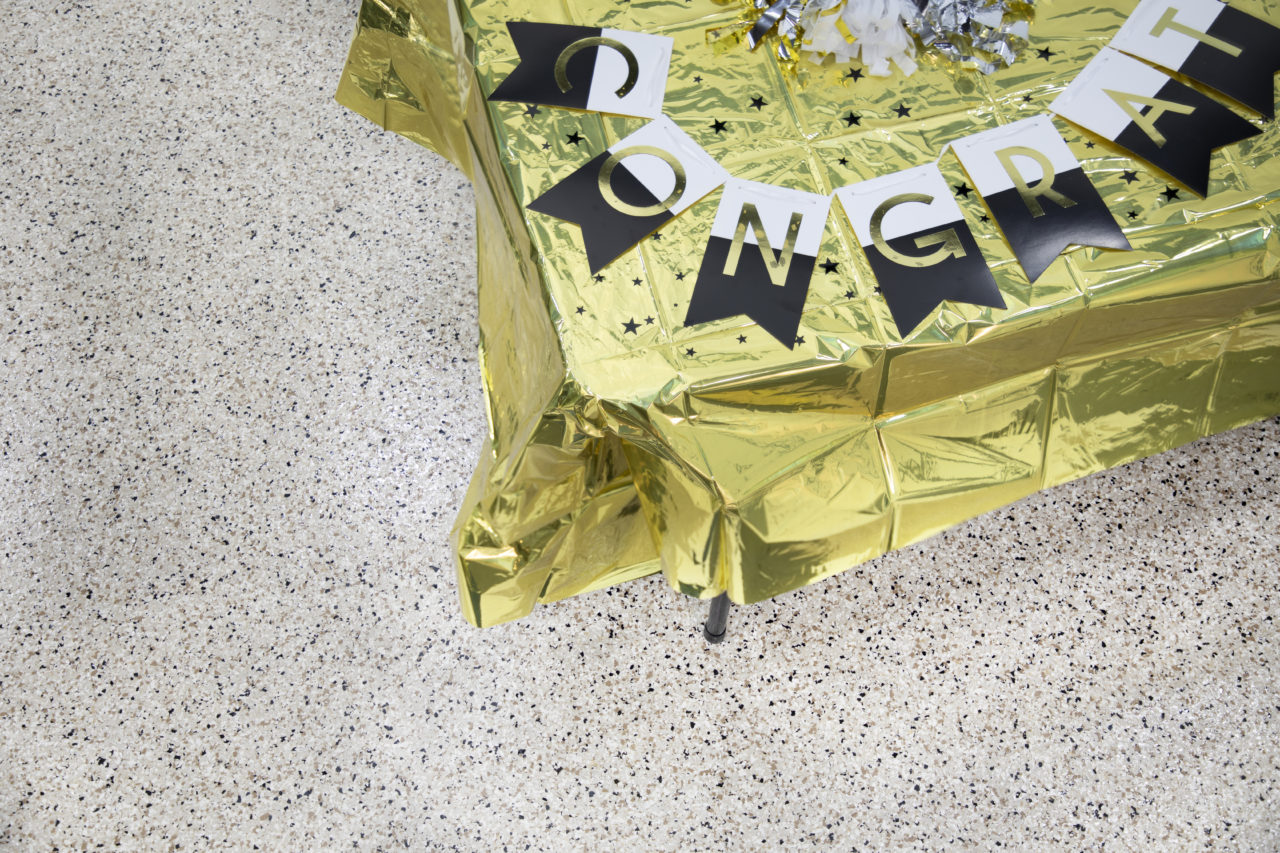
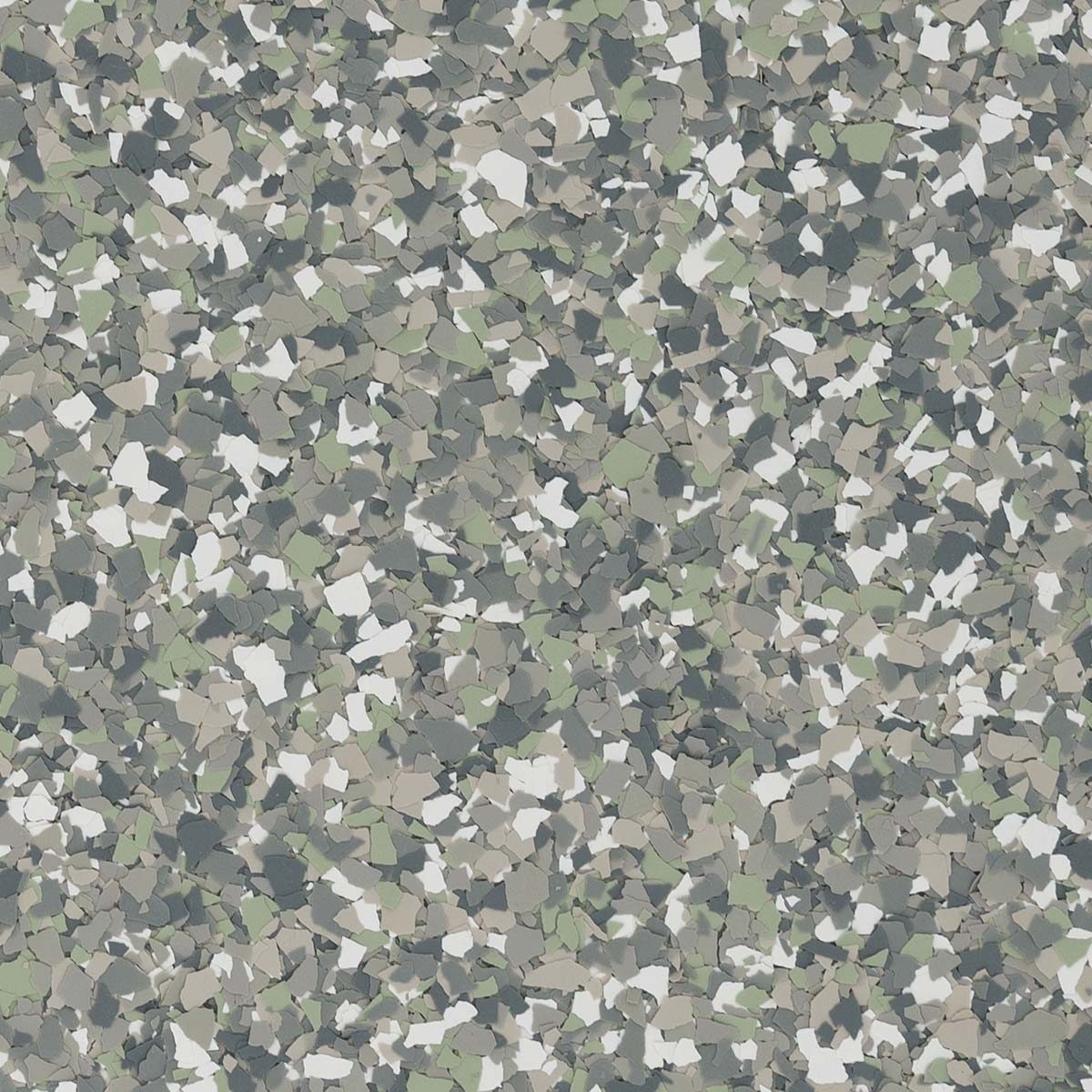
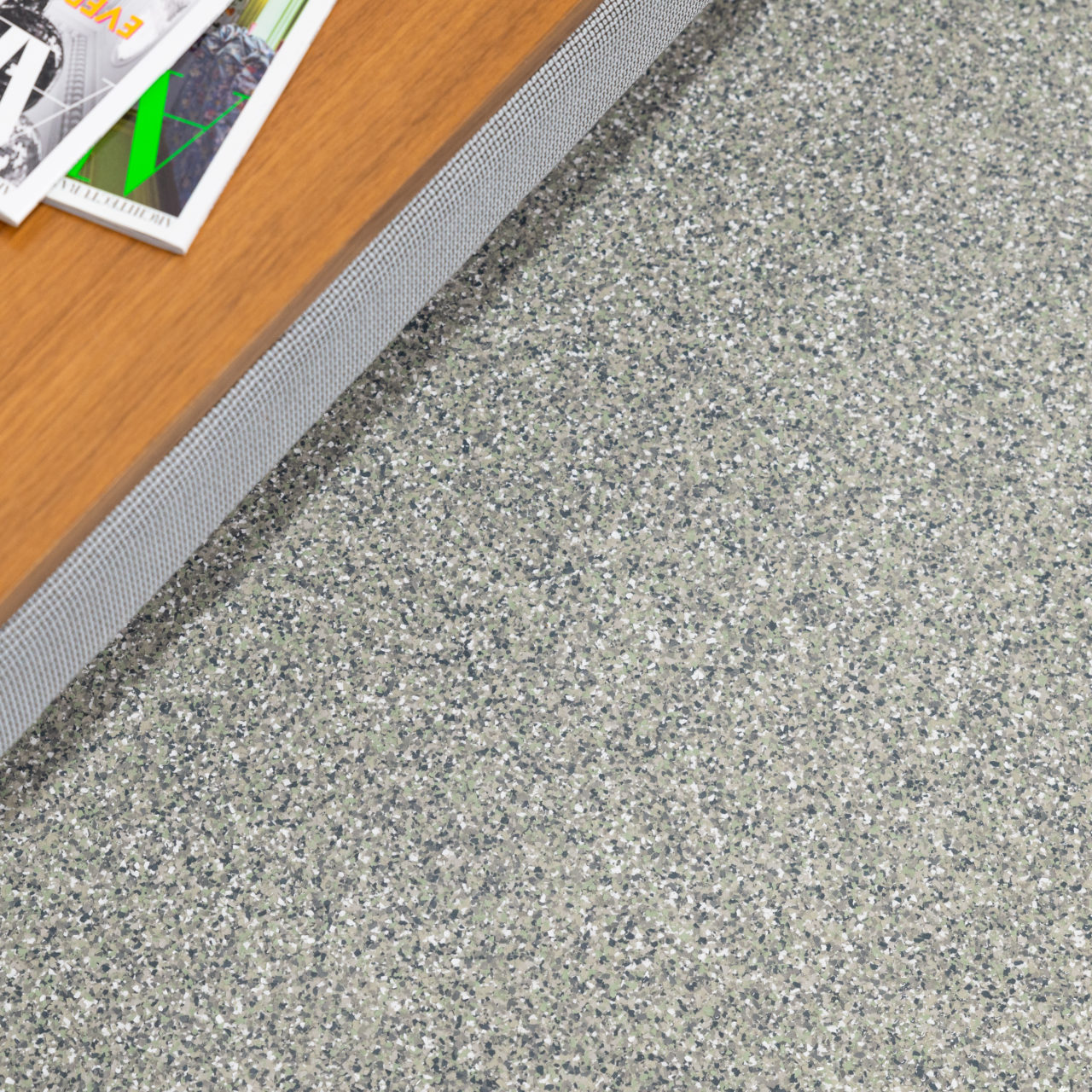
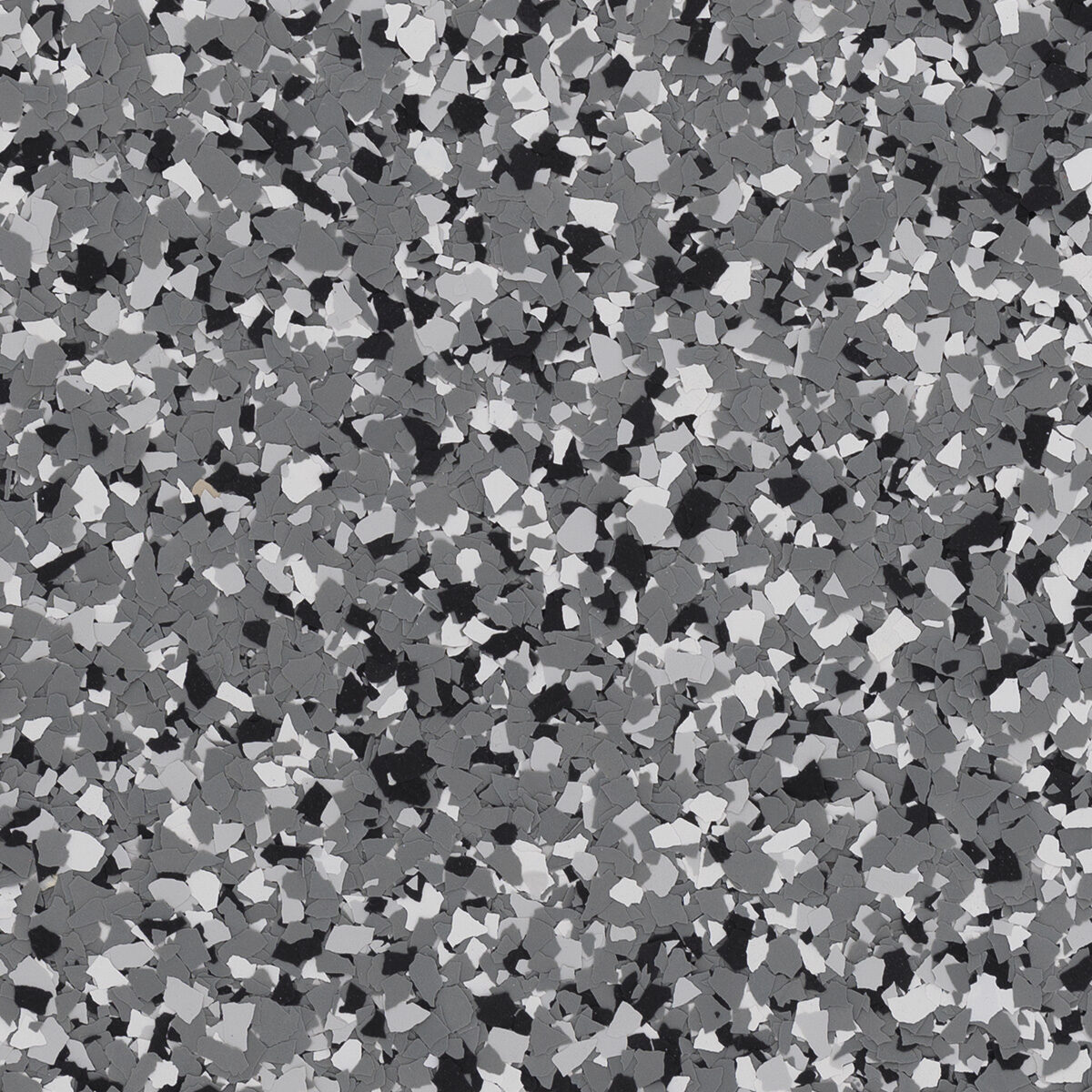
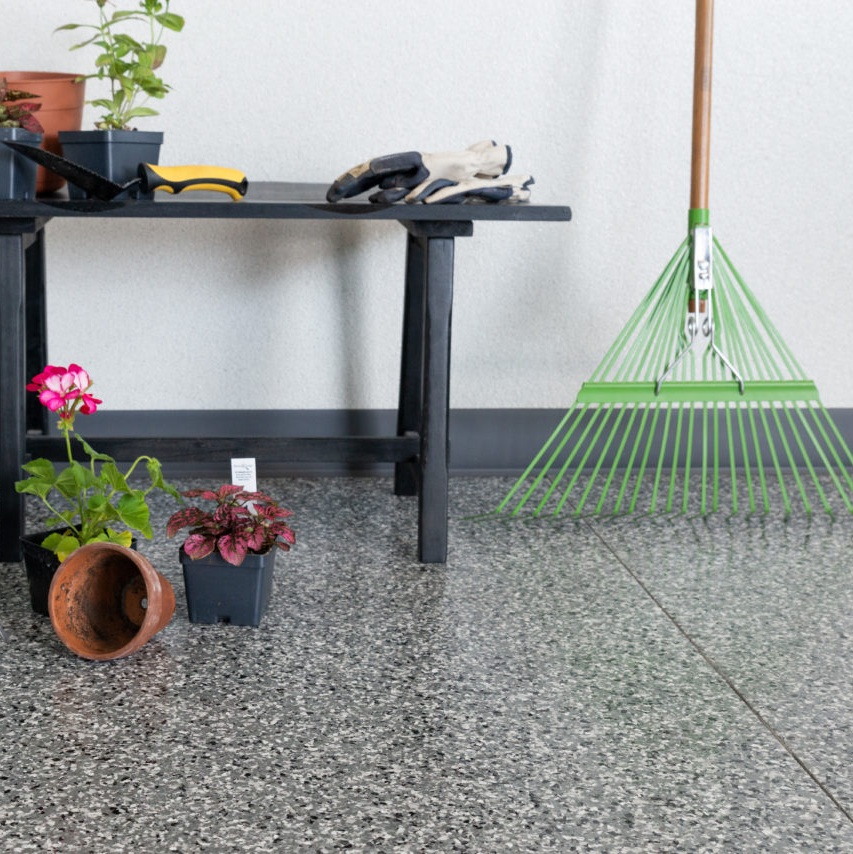
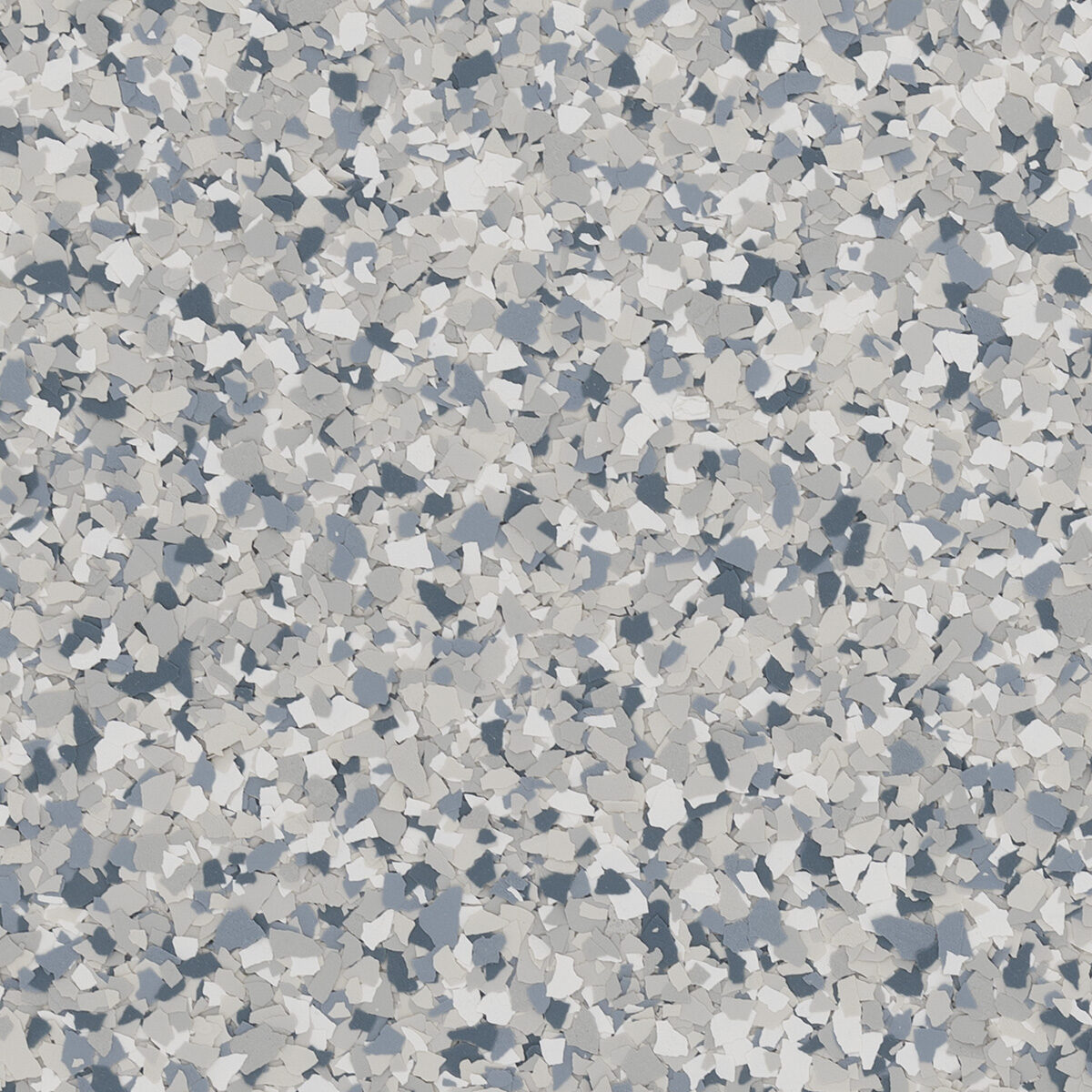
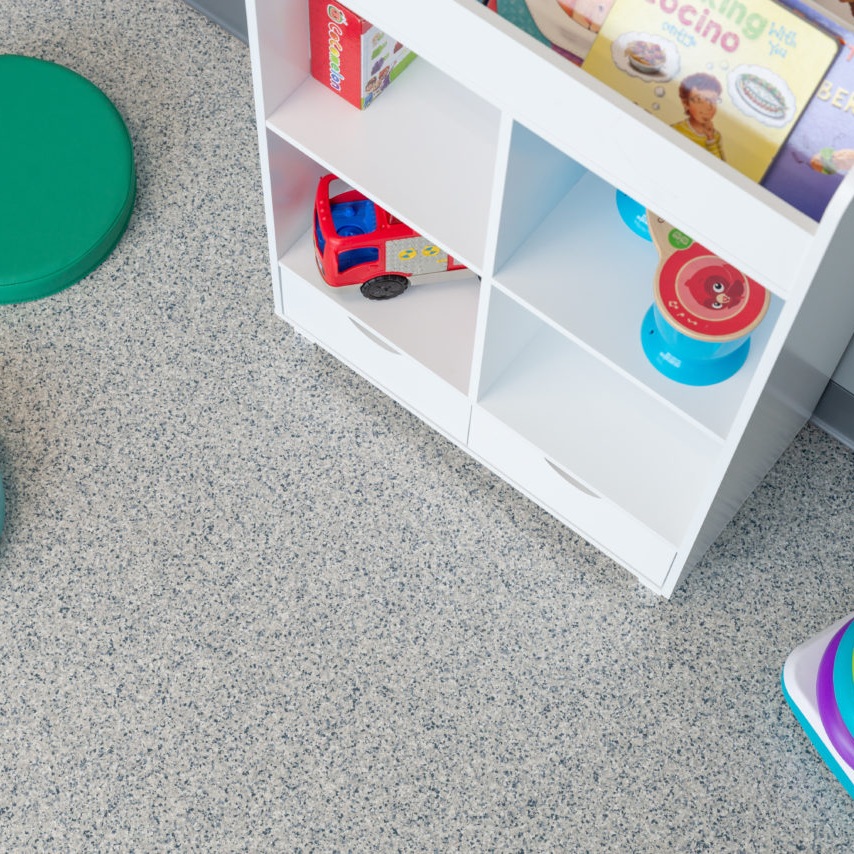
Lighter blends keep the deck cool to bare feet in summer sun, and the flake itself adds slip resistance when wet. Hover or tap any swatch to preview the blend on a real installed floor. Quartz colors are shown at the estimate on physical samples.
Preview
Domino
Preview
Gravel
Preview
Cabin Fever
Preview
Outback
Preview
Shoreline
Preview
Thyme
Preview
Wombat
Preview
Tidalwave
Pool Deck Coating Options
Three Pool Deck Systems — All Slip-Safe
Quartz broadcast is our top recommendation around water because the aggregate itself creates aggressive ASTM slip resistance. Full polyaspartic is the popular middle option, and epoxy + polyaspartic is the budget build. Every system is finished with a UV-stable polyaspartic topcoat.
The most durable, most slip-resistant coating we install. Colored quartz aggregate double-broadcast into an epoxy primer, sealed with a UV-stable polyaspartic topcoat:
Aggressive ASTM slip resistance — built into the quartz aggregate itself
Excellent chlorine and salt-water chemical resistance
15–25 year realistic lifespan around a pool
Lighter quartz blends stay cool to bare feet in summer sun
Wide range of quartz colors and blends
What we recommend whenever budget allows around water
The cost-effective pool deck build. A pigmented epoxy basecoat with flake broadcast, sealed under a UV-stable polyaspartic topcoat that blocks UV and chlorine so the epoxy underneath doesn't yellow:
Lower cost than full polyaspartic or quartz
Same slip-resistant flake broadcast as the other systems
Polyaspartic topcoat handles chlorine and UV exposure
All three pool deck systems share the same prep — diamond grinding, pool-edge masking, crack repair and a UV-stable polyaspartic topcoat. The difference is what's between those layers, how slip-resistant the surface is, and how long it lasts around chlorine.
Epoxy + polyaspartic topcoat
The cost-effective pool deck finish:
Pigmented epoxy basecoat with vinyl flake broadcast
UV-stable polyaspartic topcoat handles chlorine and sun
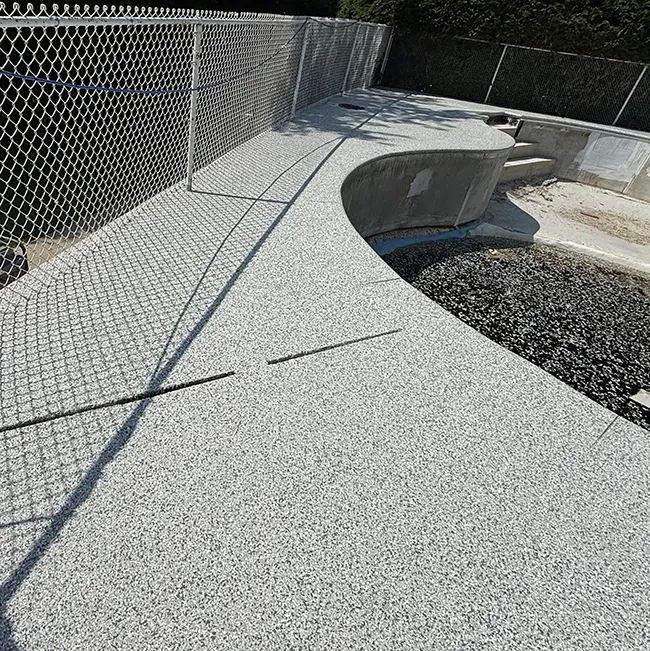
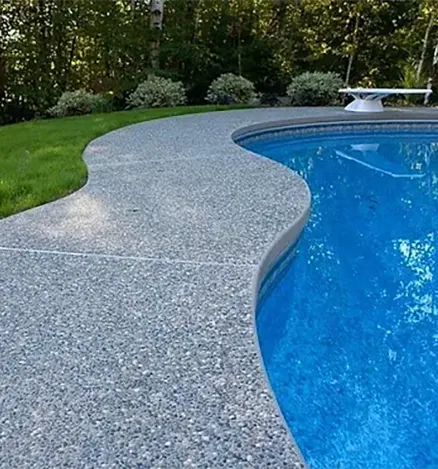
A sample of pool decks we've finished across Chicago and the suburbs — diamond-ground, edge-masked, and sealed with UV-stable polyaspartic over slip-resistant flake or quartz.
We recently had our laundry room floor done with epoxy, and I couldn't be happier with the results. Professional, punctual, and clearly experienced. They took the time to properly prepare the surface, which really shows in the final outcome. The finish is smooth, durable, and looks absolutely amazing.
Laundry Room · Epoxy
LJ
Lukas J
Naperville, IL
★★★★★September 2025
"
The basement and steps were done beautifully — clean, smooth, and very professional. The team worked efficiently and paid close attention to detail. Highly recommend.
Basement & Stairs · Epoxy
DK
Danny Kostas
Lombard, IL
★★★★★February 2026
"
These guys are honest and do a great job. I would recommend them to anyone. They really know what they are doing.
Floor Refinishing
Pool Deck Coatings Across Chicagoland
We coat pool decks across the entire Chicago metro — from the city to the far suburbs.
We also travel for select projects in southern Wisconsin and northwest Indiana — contact us to discuss your location.
Our Process
How We Install a Pool Deck Coating
The same sequence on every Chicago pool deck — assess, mask the pool, grind, repair, prime, basecoat with flake or quartz broadcast, and a UV-stable polyaspartic topcoat.
1
On-site assessment & system selection
We walk the deck, inspect for cracks, spalling, efflorescence and existing sealers, check expansion-joint movement and coping height, and ask about barefoot use, kids and pets. You get a written estimate and a system recommendation before scheduling.
2
Pool edge masking & protection
We mask the coping, drains and the pool itself so no coating gets into the water or onto pool plaster. The surrounding grass, stone and landscaping is covered before any grinding starts.
3
Diamond grinding
We mechanically grind the entire deck with industrial diamond tooling to open the pores and remove old sealer, paint or weak surface material. Pool decks almost always have a chemically weathered top layer that has to come off before any coating bonds.
4
Crack repair & expansion joints
Cracks, pits and spalls are filled with a flexible filler that moves with freeze-thaw. Expansion joints around the pool are honored and re-cut after the coating cures so the deck can keep moving without telegraphing through the finish.
5
Primer & basecoat
We prime the deck and apply the basecoat for the system you chose — pigmented epoxy, full polyaspartic, or epoxy primer for quartz. Lighter pigments where you've asked for a cool-to-feet finish.
6
Broadcast — quartz or flake
For quartz pool decks (our recommended system) we double-broadcast colored quartz aggregate to refusal — that's what creates the ASTM-rated slip resistance bare feet need around water. For flake systems we broadcast vinyl flake into the wet basecoat.
7
UV-stable polyaspartic topcoat & walkthrough
A clear, UV-stable polyaspartic topcoat is rolled over the cured basecoat to block UV, repel chlorine and salt, and lock in the slip-resistant texture. We pull the masking, walk the finished deck with you, and leave care instructions.
Direct answers to the questions Chicago homeowners ask us most before coating their pool decks.
No. Every pool deck we coat gets a slip-resistant broadcast — vinyl flake on the polyaspartic and epoxy systems, or colored quartz aggregate on our top-tier quartz build. Quartz broadcast has aggressive, ASTM-rated slip resistance designed specifically for wet, barefoot environments like pool decks.
Pool deck surface temperature is driven mostly by color, not the coating itself. Light pigments — sand, cream, light gray, beige tan — stay noticeably cooler than dark colors in direct sun.
We default to lighter-color flake and quartz blends on pool decks specifically so the surface stays comfortable on bare feet during a Chicago August afternoon.
Polyaspartic topcoats are highly resistant to chlorine, salt-water and most pool chemicals when properly cured. That's the layer that takes the chemical hit. We also extend the coating slightly under the coping line and seal expansion joints so chlorinated splash water doesn't soak into bare concrete edges.
No — every pool deck we coat is finished with a UV-stable polyaspartic topcoat. Polyaspartic is aliphatic, so its chemistry doesn't break down under sunlight the way pure epoxy does. Pool decks that yellow are almost always epoxy-only systems with no UV-stable topcoat on top.
Three reasons. First, the quartz aggregate creates aggressive, ASTM-rated slip resistance — exactly what bare feet need around water. Second, it's the most chemical-resistant of the three systems against chlorine and salt. Third, it's the longest-lasting — 15–25 years of realistic outdoor life.
The polyaspartic topcoat over the quartz handles the UV. It's the system we recommend whenever budget allows around water.
Most Chicago-area pool decks run $7–$11 per square foot for an epoxy-with-polyaspartic-topcoat or full polyaspartic system, and $10–$15 per square foot for a quartz broadcast system.
A typical 600 sq ft deck falls in the $4,200–$6,600 range for a polyaspartic flake build; quartz pool decks start around $6,000 for the same footprint. Final pricing depends on deck condition, system, and any concrete repair needed.
Yes. We diamond-grind the slab first, which removes the existing sealer, knocks down high spots, and gives us the mechanical profile the new coating needs to bond. Heavily stamped or deeply textured pool decks may need extra leveling work — we'll flag that in writing before scheduling.
Yes. We routinely coat the deck right up to the coping, and we can coat the coping itself in most cases. Steps down into the pool area, surrounding cap pieces, and adjacent patios can all be coated as part of the same project — we just keep the actual pool interior out of scope.
Yes. Once fully cured (typically 24–72 hours depending on the system), the coating is chemically inert and safe for barefoot kids, dogs and everyone else using the pool deck. We use low-VOC formulations and give you cure-time guidance at handover.
With proper prep and a UV-stable topcoat: epoxy + polyaspartic pool decks typically last 8–12 years; full polyaspartic systems last 10–15 years; quartz broadcast pool decks last 15–25 years.
The single biggest factor is surface prep — coatings applied over an inadequately ground slab will fail regardless of product. The second is whether the topcoat is actually UV-stable and chemical-resistant.