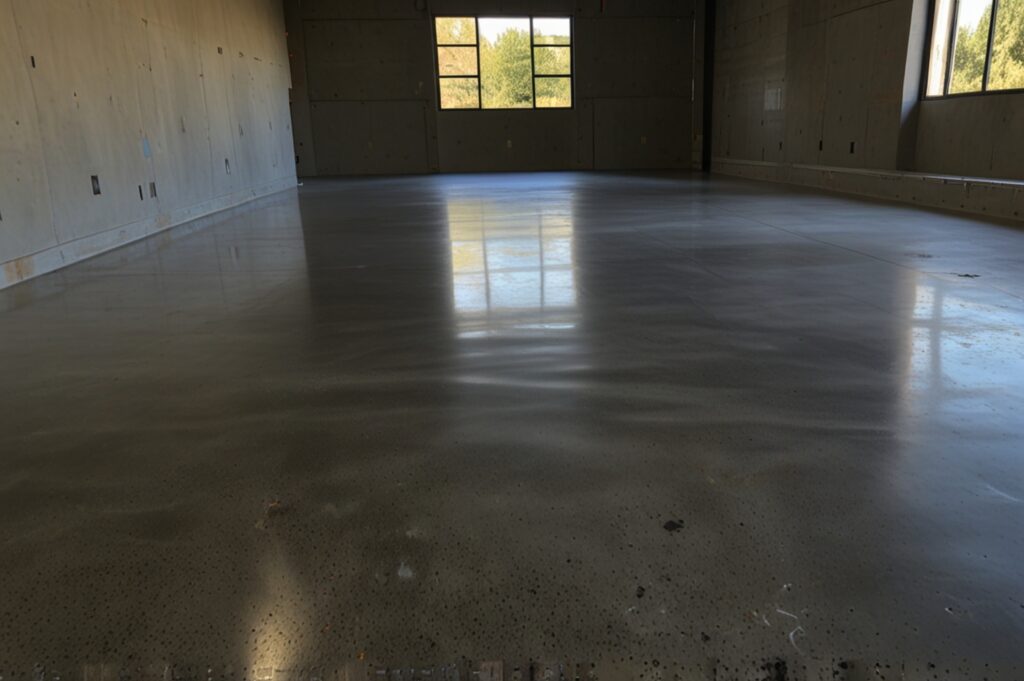
Concrete is one of the toughest surfaces around your home — until a Chicago winter gets to it. Between freeze-thaw cycles, road salt, oil drips, and UV exposure, an unsealed driveway, patio, or garage slab starts breaking down faster than most homeowners expect. Concrete sealing is the low-cost, high-return way to stop that damage before it starts. This guide breaks down what sealing actually does, the sealer types available, real 2026 Chicagoland pricing, and how often you should reseal.
Key Takeaways
- Protects against Chicago's worst: Sealing blocks the water intrusion behind freeze-thaw cracking, scaling, and salt damage.
- Real 2026 pricing: Most homes pay $1.25–$1.75/sq ft for penetrating or acrylic sealers — roughly $625–$1,150 for a typical driveway, installed.
- Sealer type matters: Penetrating silane/siloxane sealers last 7–10 years; acrylics 1–3; polyurethane 5–10; polyaspartic 10–20.
- Prep is everything: Most failures come from sealing dirty or damp concrete, not the product itself.
- Sealing vs. coating: Sealing protects and enhances existing concrete; a full concrete coating system rebuilds the surface with a thicker decorative finish.
Below is everything a Chicago-area homeowner needs to decide what to seal, when, and what it should cost.
Why Sealing Concrete Matters in the Chicago Climate
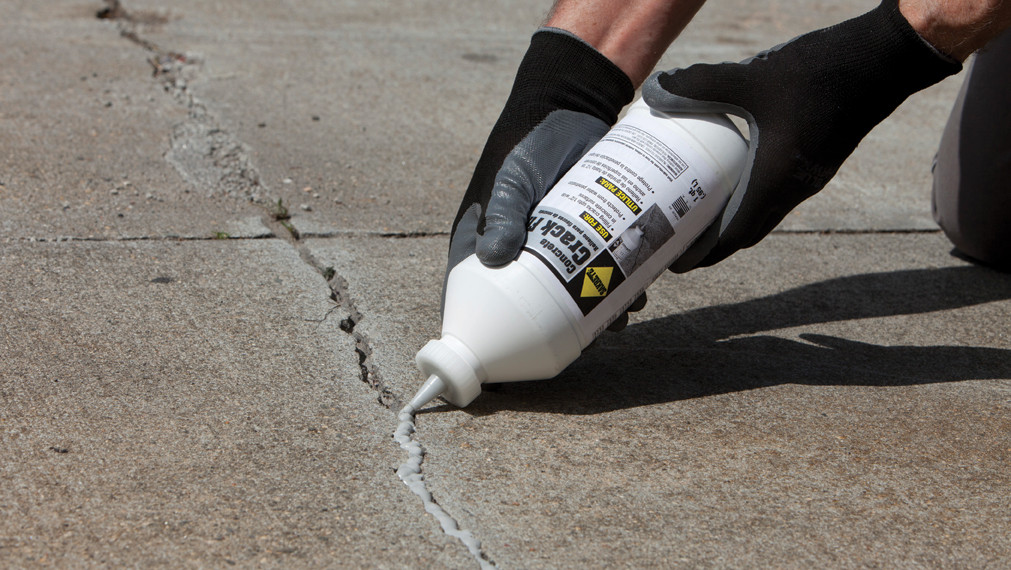
Bare concrete is porous. It soaks up water like a sponge, and in Chicagoland that water freezes and thaws dozens of times each winter. When water freezes inside the slab it expands roughly 9%, fracturing the surface from the inside out. Add road salt — which accelerates scaling and corrodes any rebar near the surface — and after just three to five winters an unsealed driveway starts showing pitting, flaking, and spalling.
That damage is expensive to fix and impossible to fully reverse; replacing a slab runs many times the cost of protecting it. According to the Portland Cement Association, proper sealing and maintenance are among the most effective ways to extend the service life of exterior concrete. Sealing keeps water, salt, and oil out so the slab you already have lasts decades longer.
Concrete Sealer Types Compared
Not all sealers do the same job. The right choice depends on the surface, the look you want, and how much traffic it sees. Here are the four systems we install most across Chicagoland.
Penetrating Silane/Siloxane Sealer
Our most-installed system. These soak into the concrete and bond chemically below the surface, creating an invisible, breathable water barrier without changing the look of the slab. Ideal for driveways, walkways, and exposed patios that face the full brunt of freeze-thaw and salt. Expected life: 7–10 years.
Acrylic (Wet-Look) Sealer
Acrylics sit on top of the concrete and add a satin-to-glossy, "wet look" that deepens color — popular on stamped and decorative concrete. They protect against water and light staining but wear faster, so they need reapplication every 1–3 years. A great choice when appearance is the priority.
Polyurethane Sealer
A tougher, transparent, non-yellowing film that resists chemicals, abrasion, and traffic better than acrylic. Often used as a durable topcoat over patios and garage floors, or paired with a penetrating sealer. Expected life: 5–10 years.
Polyaspartic Sealer
The premium option: high-gloss, UV-stable, and extremely durable, with the longest reseal interval of any system we offer. Cures fast and holds up to sun, chemicals, and heavy use — the same chemistry behind our polyurea and polyaspartic garage coatings. Expected life: 10–20 years.
What Concrete Sealing Costs in Chicago (2026)
Pricing depends on the sealer type, slab condition, square footage, and any crack repair or old-sealer stripping needed. These are the real installed ranges we quote for typical Chicagoland projects in 2026 — not a generic "starting at" number.
| Sealer System | Finish & Lifespan | Installed Cost / Sq Ft |
|---|---|---|
| Penetrating silane/siloxane | Invisible, natural · 7–10 yr | $1.25–$1.75 |
| Acrylic (wet-look) | Satin to high gloss · 1–3 yr | $1.25–$1.75 |
| Polyurethane | Non-yellowing, glossy · 5–10 yr | $1.45–$2.00 |
| Polyaspartic | High-gloss, UV-stable · 10–20 yr | $2.00–$2.50 |
Put into real projects, here is roughly what that means for common jobs (silane/siloxane, all-in with prep):
| Project | Approx. Size | Typical Installed Price |
|---|---|---|
| Standard driveway | 500 sq ft | $625–$875 |
| 2-car driveway | ~576 sq ft | $720–$1,150 |
| 3-car driveway | ~860 sq ft | $1,075–$1,510 |
| Patio | 400 sq ft | $500–$700 |
| Pool deck (acrylic) | 800 sq ft | $1,200–$1,500 |
| 2-car garage floor (polyurethane) | ~576 sq ft | $720–$1,200 |
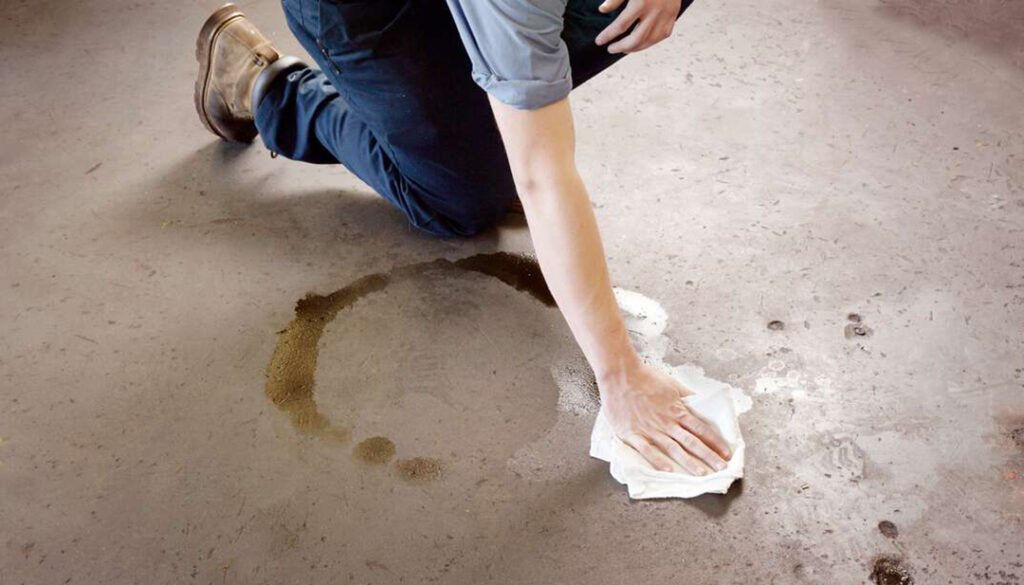
Every price above includes surface inspection, pressure washing and degreasing, minor crack and joint repair, two coats of sealer to manufacturer spec, and a cure-time walkthrough. Heavy crack repair, stripping failed old sealer, or oil-stained slabs add to the price — and we lay it all out in a written estimate before any work starts. See full details on our concrete sealing service page.
How Often Should You Reseal Concrete?
Reseal timing depends on the product and how hard the surface gets used. The visual signs are easy to spot: water stops beading and soaks in instead, the color looks faded or washed out, or you see early scaling and micro-cracks. As a rule of thumb:
- Acrylic sealers: every 1–3 years
- Silane/siloxane: every 7–10 years
- Polyurethane: every 5–10 years
- Polyaspartic: every 10–20 years
High-traffic driveways and sunny outdoor patios wear faster than shaded or low-use surfaces, so err toward the shorter end of each range for exterior slabs that see salt and sun.
Sealing vs. Coating: Which Do You Need?
Sealing and coating are often confused. Sealing protects and lightly enhances the concrete you already have — it is thin, cost-effective, and ideal for driveways, sidewalks, and patios where you want to keep the natural look. A coating is a thicker, decorative build (epoxy, flake, quartz, or metallic) that resurfaces the slab entirely.
If your goal is a showroom-style garage or a fully transformed floor, a coating is the right call — explore our garage floor coatings and full concrete coating systems. If you want to protect sound concrete from Chicago weather at the lowest cost, sealing wins. Not sure which fits? Our related guide on floor coating cost factors breaks down the trade-offs, and for a deeper look at sealer selection see our post on choosing concrete floor sealing contractors.
DIY vs. Professional Concrete Sealing
Big-box sealers exist, and on a small, sound slab a careful DIY job can work. But the overwhelming majority of premature sealer failures we're called to fix come from prep, not product: sealing damp concrete (which traps moisture and causes peeling and hazing), skipping crack and joint repair, or over-applying so the sealer never bonds. A professional install is built to last:
- On-site inspection and written estimate
- Crack and joint repair with polymer-modified compound
- Commercial pressure washing and degreasing
- 24–48 hours of proper slab drying
- Masking of siding, landscaping, and drains
- Two calibrated coats to manufacturer spec
- Cure walkthrough and a one-page care sheet
Done right, a professional seal lasts years longer — making it the better value over the life of the slab.
Frequently Asked Questions
How much does concrete sealing cost in the Chicago suburbs?
Professional concrete sealing in Chicagoland typically runs $1.25–$1.75 per square foot for standard acrylic or silane-siloxane sealers, including pressure washing and basic prep. A 500 sq ft driveway lands around $625–$875; a 2-car driveway (about 576 sq ft) around $720–$1,150. Premium polyurethane or polyaspartic topcoats run $1.45–$2.50 per sq ft. Heavy crack repair, old sealer stripping, or stamped concrete add to the price, and every job is quoted on-site.
Do I really need to seal my concrete driveway in Chicago?
In the Chicago climate, yes. Unsealed concrete absorbs water; when that water freezes it expands and fractures the slab from the inside. After three to five winters of road salt and freeze-thaw cycles, unsealed driveways start pitting, scaling, and spalling — damage that is expensive to repair. A sealing job every 7–10 years adds decades to the slab's life for a fraction of replacement cost.
How often should concrete be resealed?
It depends on the product and traffic. Acrylic sealers need reapplication every 1–3 years, penetrating silane/siloxane sealers every 7–10 years, polyurethane every 5–10 years, and polyaspartic every 10–20 years. The signs you are due: water stops beading, the color looks washed out, or you see early scaling and micro-cracks.
Is DIY concrete sealing worth it, or should I hire a pro?
DIY big-box sealers can work on small, sound slabs, but most premature failures come from poor prep — sealing damp or dirty concrete, skipping crack repair, or over-applying. A professional install includes pressure washing, crack and joint repair, proper drying, two calibrated coats, and a manufacturer-spec product that lasts far longer, making it the better value over the life of the slab.
Ready to Protect Your Concrete?
Whether it's a driveway facing another salty winter, a faded pool deck, or a garage slab you want to keep clean, the right sealer protects your investment for years. Request a free quote from Concrete Shield Coatings and we'll inspect your slab, recommend the right system, and give you honest, on-site pricing before any work begins.
Visit us on Google Maps to see our reviews and service area, or call (847) 999-6330 to schedule your estimate.
Serving homeowners in Mundelein, Northbrook, and Deerfield and across Chicagoland — request a free on-site estimate from your local Concrete Shield Coatings branch.