Key Takeaways
- Chicago concrete surfaces face freeze–thaw cycles, lake-effect moisture, road salt, UV exposure, and daily wear that can turn small cracks into expensive deterioration.
- Professional concrete sealing can add 7–20+ years of long-lasting protection depending on the concrete sealer used, including silane/siloxane, acrylic sealers, polyurethane, epoxy, and polyaspartic systems.
- Concrete Shield Coatings provides licensed, insured concrete sealing services across Chicagoland, with 1,000+ completed projects, multiple local offices, and consistent 5-star local reviews.
- In 2026, many residential concrete sealing projects range from about $750–$2,500, depending on square footage, slab condition, preparation, and the chosen sealer.
- Request a free on-site quote and inspection for your driveway, patio, pool deck, garage, or basement floor to choose the best option for your house or building.
Why Hire Professional Concrete Floor Sealing Contractors?
Concrete is porous, which means concrete absorbs water and chemicals unless it is protected. DIY products from big-box stores may give a fresh look for a season, but higher solids content in sealers results in a thicker, more durable layer, and professional-grade products are usually built for better durability, adhesion, and lifespan.
Experienced concrete floor sealing contractors understand how Chicago's 2026 weather patterns affect unsealed concrete. Freeze–thaw cycles, lake-effect snow, and heavy road-salt use let moisture penetrate the surface, expand, and cause damage. Unsealed concrete is vulnerable to freeze-thaw damage, while concrete sealing protects against water, chemicals, and freeze-thaw cycles.
A qualified team evaluates each slab by location and use. A driveway may need penetrating sealers for maximum long-term protection, while garage concrete floors may need epoxy or polyaspartic coatings. Local contractors can provide tailored sealing solutions for various climates, exposure levels, and expectations.
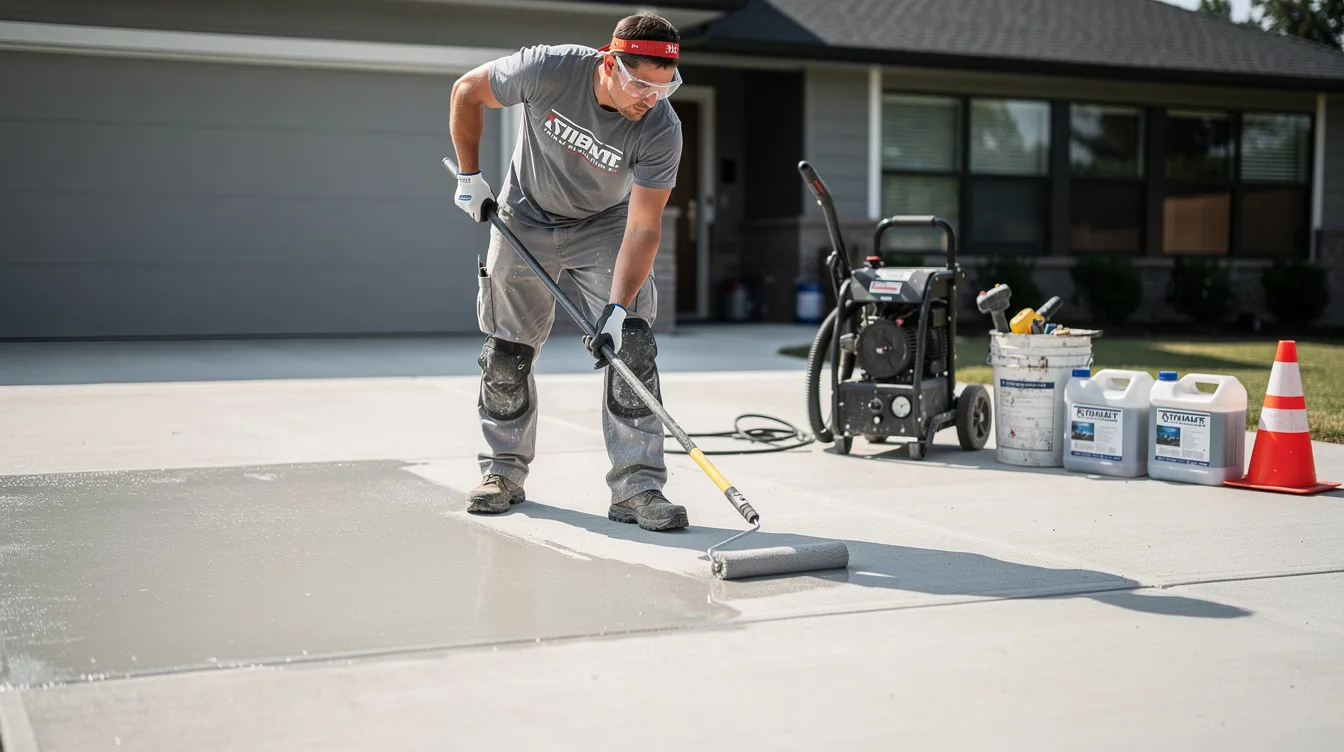
Proper preparation is essential. Pros use industrial cleaning equipment, repair cracks and joints, check moisture, and control conditions before applying the seal. Qualified contractors use mechanical grinding or shot-blasting for surface preparation when coatings require a stronger bond. Power washing opens concrete pores for better sealer penetration, and removing dirt, oils, old residue, and loose material helps the sealer penetrate instead of sitting weakly on top.
There is also a security and liability side to hiring a professional. This is not a security service, but reputable contractors improve homeowner security by carrying Illinois licensing, bonding, liability insurance, and workers' compensation. Verify contractors are licensed, bonded, and insured to protect against liability, and avoid contractors requesting cash-only payments as they may be untrustworthy.
Fortunately, sealed concrete is easier to maintain. Sealing prevents moisture and stains from penetrating concrete, and sealed concrete resists stains from oils and chemicals. That can reduce cleaning time, improve appearance, protect curb appeal, and reduce maintenance costs significantly.
Concrete Surfaces We Commonly Seal in Chicagoland
The most common residential concrete surfaces for professional concrete sealing include driveways, walkways, patios, pool decks, garages, basements, and decorative concrete.
- Driveways: Penetrating silane/siloxane products protect driveways from salt, tire marks, oil drips, spills, liquids, and freeze–thaw damage. Penetrating sealers protect concrete from water and chemicals, and many provide 5–10 years of protection; Concrete Shield notes silane/siloxane systems often last about 7–10 years in Chicago conditions.
- Sidewalks and walkways: Invisible penetrating sealers help preserve texture, reduce scaling, and keep the surface safe without adding gloss. They are useful near busy front walks where water and de-icing salts collect.
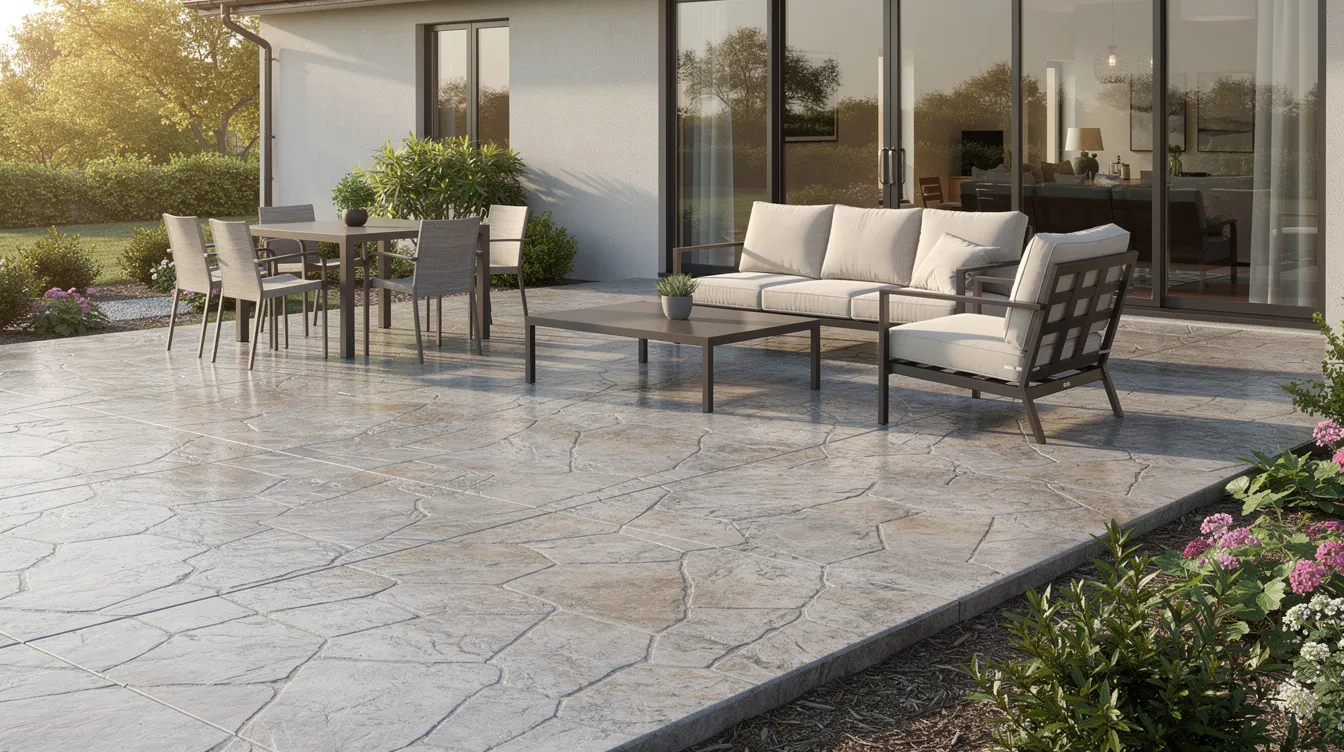
- Patios and outdoor living areas: Broom-finished and stamped patios can benefit from UV-resistant acrylic sealers. Colored concrete sealers enhance aesthetic appeal and stain resistance, especially around grills, plant pots, and patio furniture.
- Pool decks: Sealing reduces water absorption, helps limit mildew and algae, and makes summer cleaning easier. Film-forming products should include slip-resistant additives where wet foot traffic is expected.
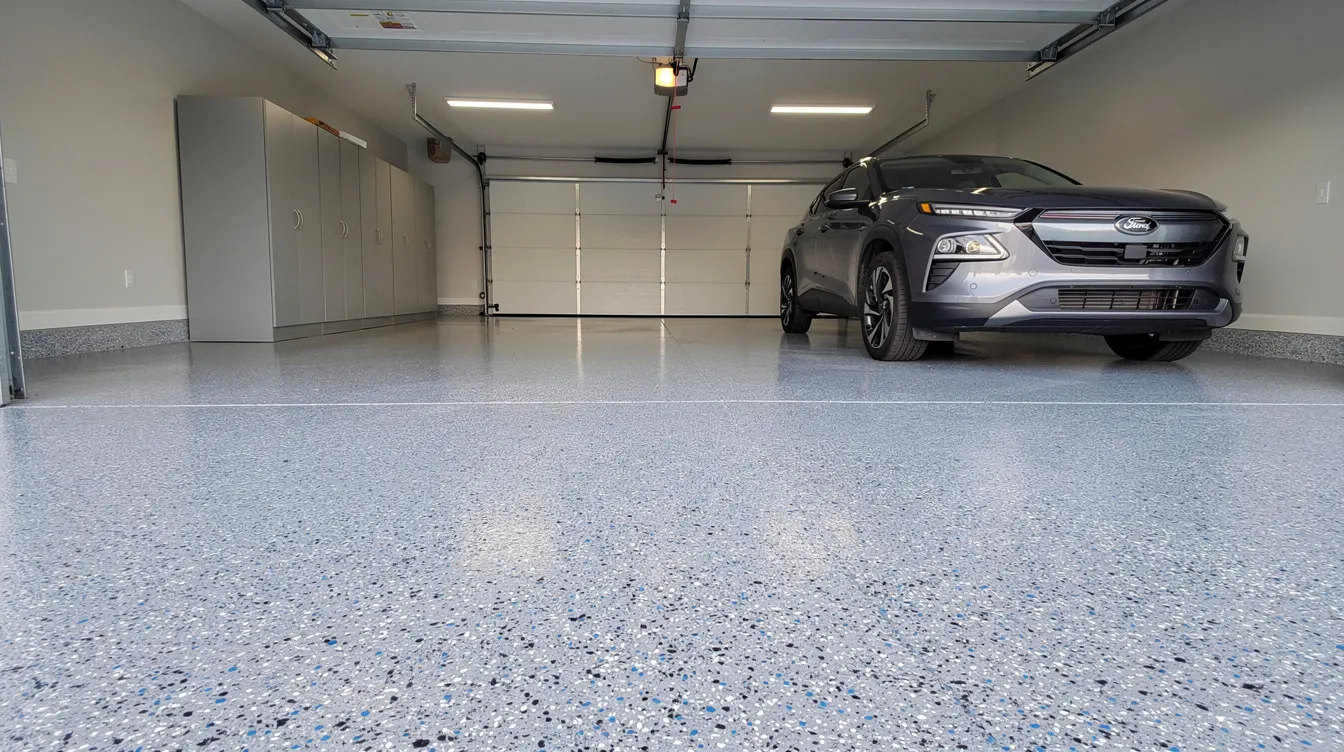
- Garage floors: Epoxy sealers are ideal for high-traffic areas like garages. Epoxy sealers create a hard, durable surface for concrete, resisting hot-tire pickup, oils, chemicals, stains, and tire wear.
- Basement and interior concrete floors: Epoxy or polyurethane systems can control dust, resist staining, and restore a basement floor for storage, workshops, or finished living space.
- Stamped and exposed aggregate concrete: Clear acrylic sealers can enhance color, bring out decorative texture, and protect against water and de-icing salts.
Types of Concrete Sealers Contractors Use
Not all concrete sealers are the same. The real expertise is matching chemistry to the project, exposure, and desired appearance.
| Sealer type | Best use | Typical life |
|---|---|---|
| Silane/siloxane penetrating sealers | Driveways, sidewalks, exterior slabs | 7–10 years |
| Acrylic sealers | Stamped concrete, patios, pool decks | 1–3 years |
| Polyurethane | Interior or covered floors | 5–10 years |
| Epoxy | Garages, basements, high-traffic floor areas | 7–10 years |
| Polyaspartic | Garages and premium floor coatings | 10–20+ years |
Silane/siloxane penetrating sealers are invisible, breathable, and water-repellent. Reactive penetrating sealers chemically bond with concrete, helping protect the slab without changing the surface texture.
Acrylic sealers form a film on the surface. They can create satin, gloss, or wet-look decorative finishes, but acrylic sealers typically last 1–2 years before wearing off in harsh exposure, though some low-traffic areas may reach 1–3 years.
Polyurethane sealers are tougher than basic acrylics and are often used where abrasion and chemical resistance matter. Epoxy coatings create a seamless floor surface, while coatings provide resistance to high-traffic, chemicals, and stains. Polyaspartic systems cure quickly, can often be installed in one day, and are a leading choice for long-term garage durability.
Contractors may combine systems, such as an epoxy base with a polyaspartic topcoat, to balance adhesion, UV resistance, waterproof performance, and long-term wear.
How Professional Concrete Sealing Works: Step-by-Step
For many homeowners, choosing affordable professional concrete floor coating services is the most efficient way to restore worn slabs while upgrading appearance and durability.
A reputable Chicago-area contractor follows a clear workflow so the project stays predictable.
- On-site inspection and written quote: The contractor measures square footage, checks age, cracks, spalling, moisture, old coatings, and access. Contractors should provide detailed written estimates breaking down costs, preparation, products, and timeline.
- Concrete repairs and joint work: Cracks are cleaned and filled, spalled areas are repaired, and joints may be re-caulked to fix weak points before sealing.
- Power washing and surface prep: Commercial pressure washing removes dirt, oils, salts, and residue. For coatings, grinding or shot-blasting may be needed.
- Drying time: Most concrete surfaces need 24–48 hours of dry weather before applying a concrete sealer. Waiting matters because trapped moisture can cause peeling, haze, or blistering.
- Masking and protection: Landscaping, siding, garage doors, trim, fixtures, and nearby paint are protected from overspray and drips.
- Sealer application: Contractors apply one or two coats with sprayers, rollers, or squeegees, following spread rates and watching for puddling on sloped or textured concrete.
- Curing and return-to-service: Light foot traffic may be allowed after 6–24 hours, while vehicle traffic often takes 24–72 hours depending on whether the product is acrylic, penetrating, epoxy, or polyaspartic.
- Final walkthrough: A quality contractor reviews the finish, explains cleaning, and tells you when to continue monitoring for future resealing.
Concrete Sealing Costs and Lifespan in 2026
Costs vary by product, preparation, and size, but Concrete Shield Coatings' concrete sealing page lists realistic Chicagoland pricing for 2026, and their broader concrete sealing services across Chicagoland explain how different systems impact long-term value.
Most standard residential concrete sealing with penetrating or acrylic concrete sealers falls around $1.25–$2.50+ per square foot when completed by a professional contractor.
Examples:
- 600 sq ft driveway: about $750–$1,500, or more if heavy repair is needed.
- 400 sq ft patio: about $500–$1,000 for many standard acrylic or penetrating systems.
- 700 sq ft two-car garage: often $1,000–$3,000+ for epoxy or polyaspartic systems with flakes and added prep.
Costs increase with heavy crack repair, spalling repair, lifting or settling issues, decorative finishes, stripping thick old sealers, or removing failed coatings. High upfront deposits should not exceed 10% to 25% of total costs, and a workmanship warranty typically covers peeling and adhesion issues for 1 to 3 years.
Typical reseal intervals:
- Penetrating silane/siloxane: 7–10 years; penetrating sealers provide 5–10 years of protection.
- Acrylic: 1–3 years; acrylic sealers typically last 1–2 years before wearing off in harsher exposure.
- Epoxy: 7–10 years in many interior residential settings.
- Polyaspartic: 10–20+ years with proper care.
Sealing concrete can extend its lifespan by 5–10 years, and concrete sealing extends the life of concrete by 5–10 years when the right system is maintained. Sealing for a few dollars per square foot is far cheaper than replacing a driveway, patio, or garage slab after premature wear and deterioration.
Choosing the Right Concrete Floor Sealing Contractor
Choosing the right contractor is as important as choosing the right concrete sealer.
Use this checklist:
- Licensing and insurance: Ask for proof of Illinois licensing, bonding, and insurance before work begins.
- Experience: Look for several years of Chicago-area work and hundreds of completed projects across driveways, patios, pool decks, garages, and commercial spaces.
- Product knowledge: Ask whether the contractor uses silane/siloxane, acrylic, epoxy, polyurethane, or polyaspartic solutions, and why that product fits your location.
- Written estimate: Expect line items for cleaning, repairs, products, coats, square footage, and cure times.
- Reviews and photos: Online directories can help find rated local specialists, but also review recent photos, references, and local feedback.
- Communication: Clear start dates, weather plans, cure-time expectations, and access instructions help the project run smoothly.
Concrete Shield Coatings has offices serving Northbrook, Lombard, Mundelein, and the wider Chicagoland area. Their website, concrete coating services across Illinois, explains available services, product options, and free estimate requests. If you are happy with the plan, the contractor should bring the right equipment, provide a clear schedule, and improve the concrete without surprises.
Frequently Asked Questions
How often should I reseal my concrete driveway in the Chicago area?
Most professionally sealed driveways using penetrating silane/siloxane products need resealing about every 7–10 years. Decorative acrylic-sealed concrete often needs a fresh coat every 1–3 years. High-traffic or heavily salted driveways should be inspected after harsh winters if dull, absorbent spots or small pits appear.
Will sealing my concrete make it slippery in rain or snow?
Penetrating concrete sealers do not change the surface texture, so they do not noticeably increase slipperiness on driveways and walkways. Film-forming sealers like acrylics, epoxies, or polyaspartics can be made safer with anti-slip additives and lower-gloss finishes.
Can contractors seal new concrete, and how long should I wait?
Most concrete floor sealing contractors recommend waiting at least 28 days for new concrete to cure before applying most sealers. Some breathable penetrating products can be applied earlier under specific manufacturer guidelines, but moisture and cure conditions still need to be checked.
Is there a best season in Chicago to seal concrete surfaces?
Late spring through early fall, usually May through October, offers the most reliable temperature and dry-weather window. Some professional systems can be applied in cooler weather, but contractors often avoid heavy rain, freezing temperatures, and excessive humidity.
Do I need to move vehicles and furniture before the contractor arrives?
Yes. Clear driveways, patios, and garage floors of vehicles, grills, planters, furniture, and stored items before the scheduled start time. Contractors may help with a few heavier pieces if arranged in advance, but preparation keeps the project on track.
Ready to Protect Your Concrete Surfaces?
Request a free on-site inspection from Concrete Shield Coatings and choose a sealer system built for Chicago weather, salt, moisture, and daily life. Request a free quote and our team will help you choose the best option for your driveway, patio, pool deck, garage, or basement floor.
Serving homeowners in Northbrook, Lombard, and Mundelein and across Chicagoland — request a free on-site estimate from your local Concrete Shield Coatings branch.