What we did
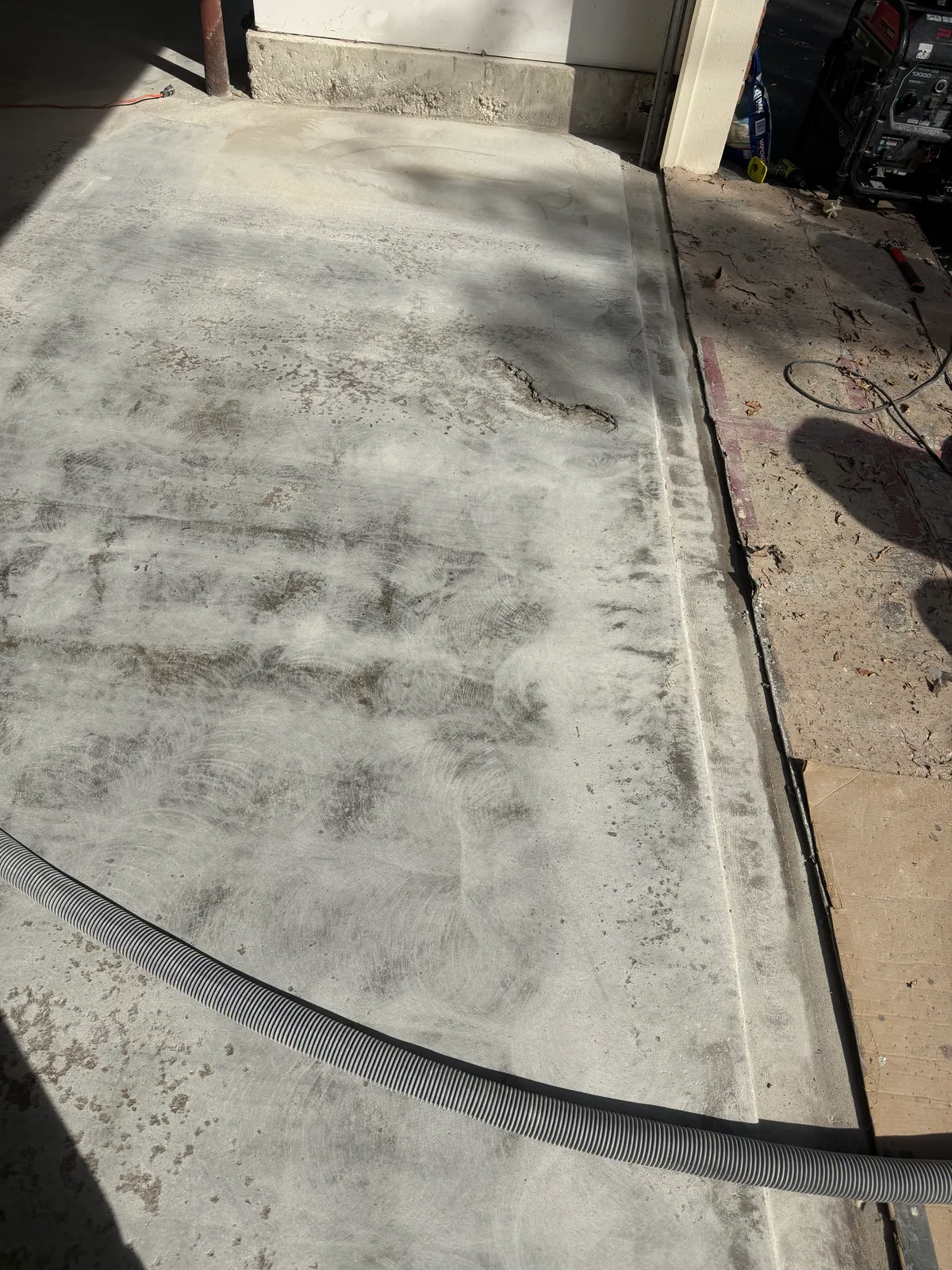
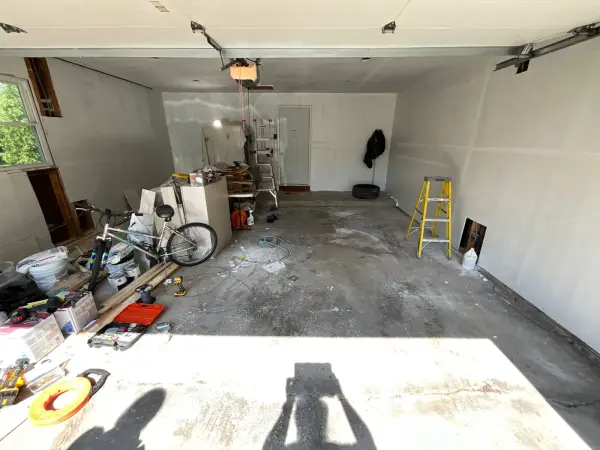
This one started with something we don't see every day: brand-new concrete. The 3-car garage had no cracks, no old coating to strip and no patchwork from years of repairs. That made our job simpler in some ways, but new concrete still has its own catch. The slab comes out of finishing with a smooth, tight surface, and a coating needs something rougher to hold onto. So the plan for the 620 square feet was the same full prep we'd give any floor.
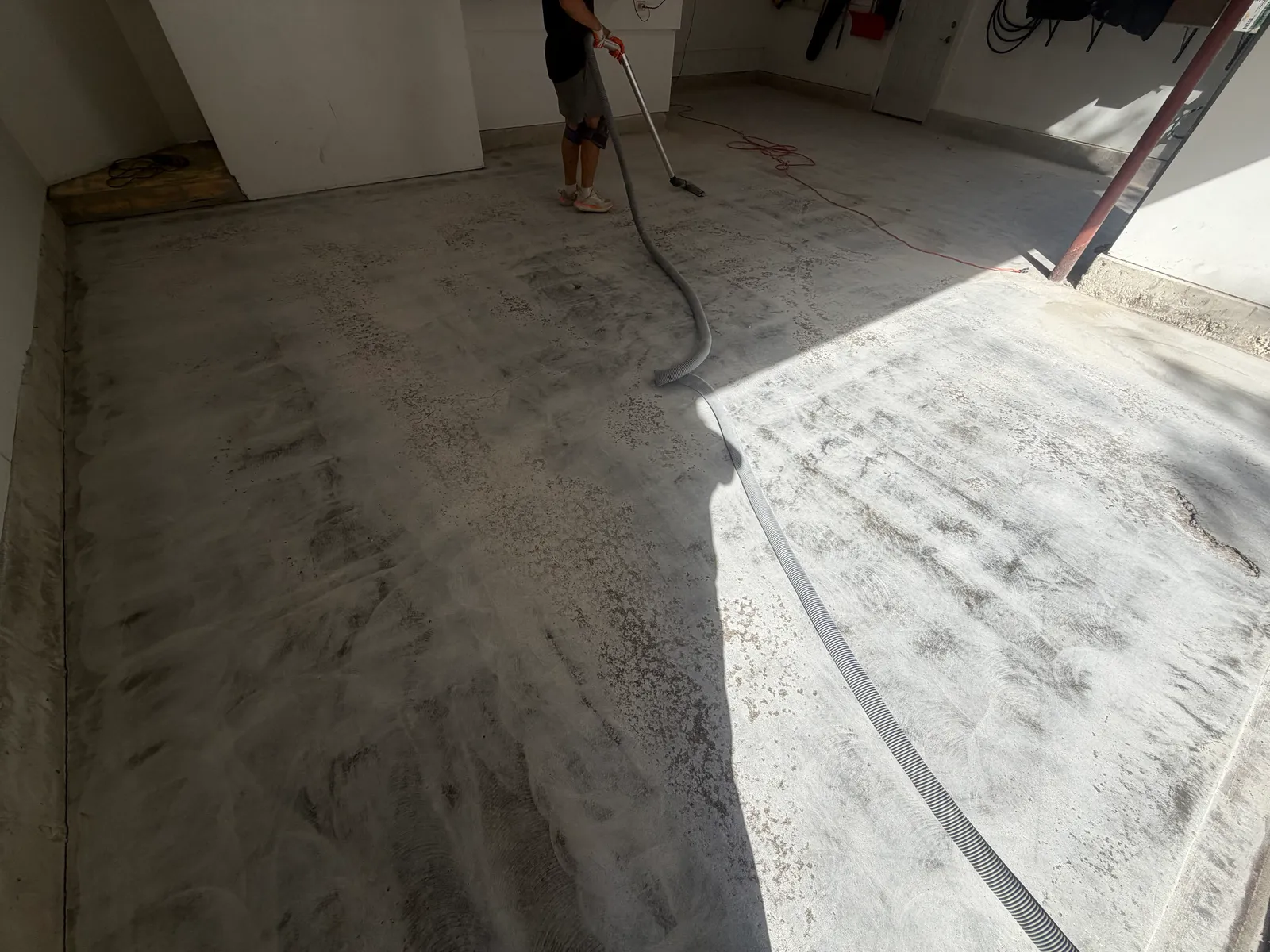
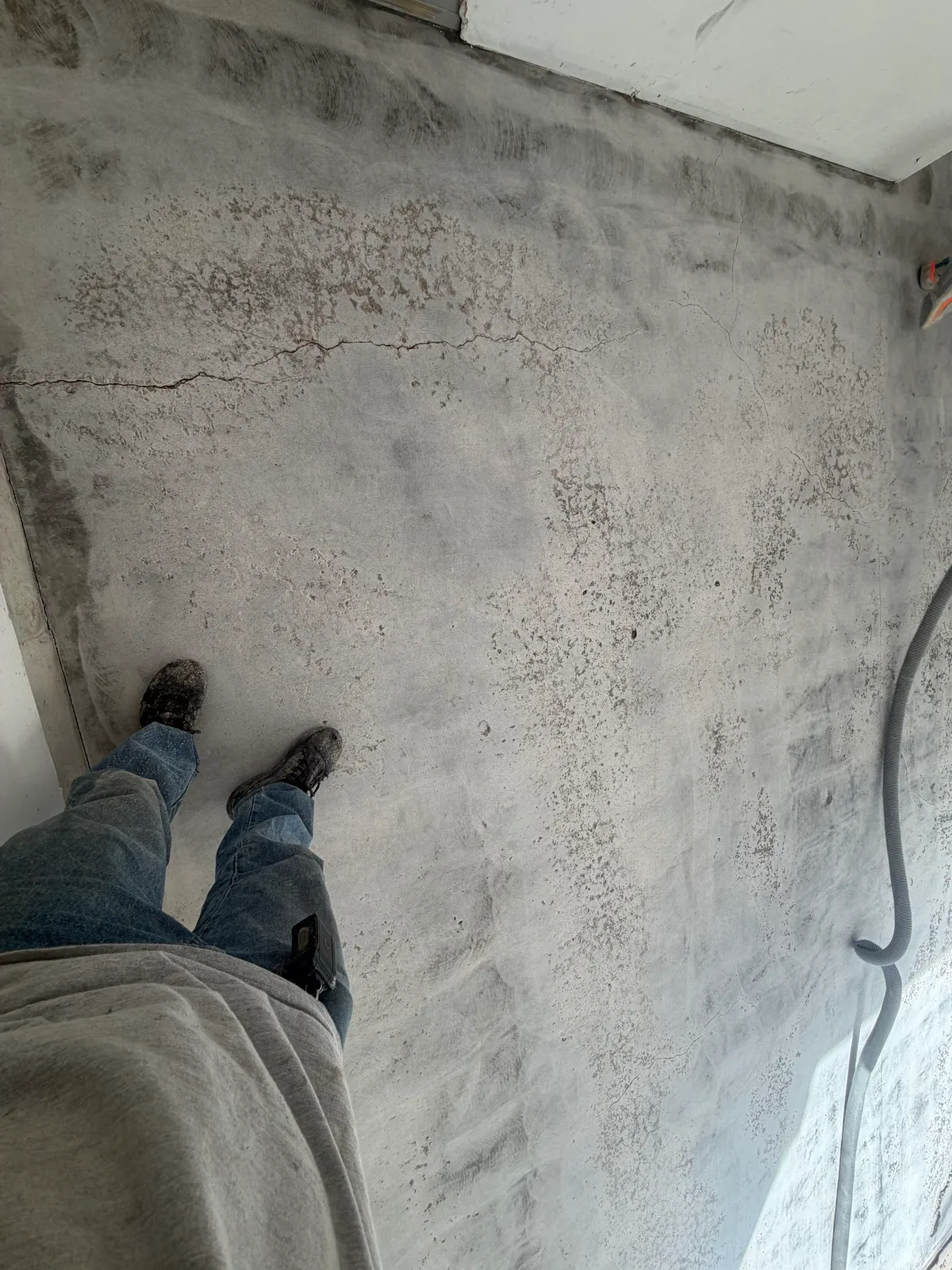
We started by grinding the whole slab to take off the surface sheen and any contaminants. We use diamond grinding instead of acid etching because it opens the concrete to an even, consistent profile, the slightly rough texture the base coat bites into, and it doesn't leave acid residue behind. Skipping this on a new slab is one of the easier ways to end up with a coating that lifts later. We also profiled the 80 linear feet of vertical concrete along the edges, the curbs and exposed slab faces, so they'd take the coating too.
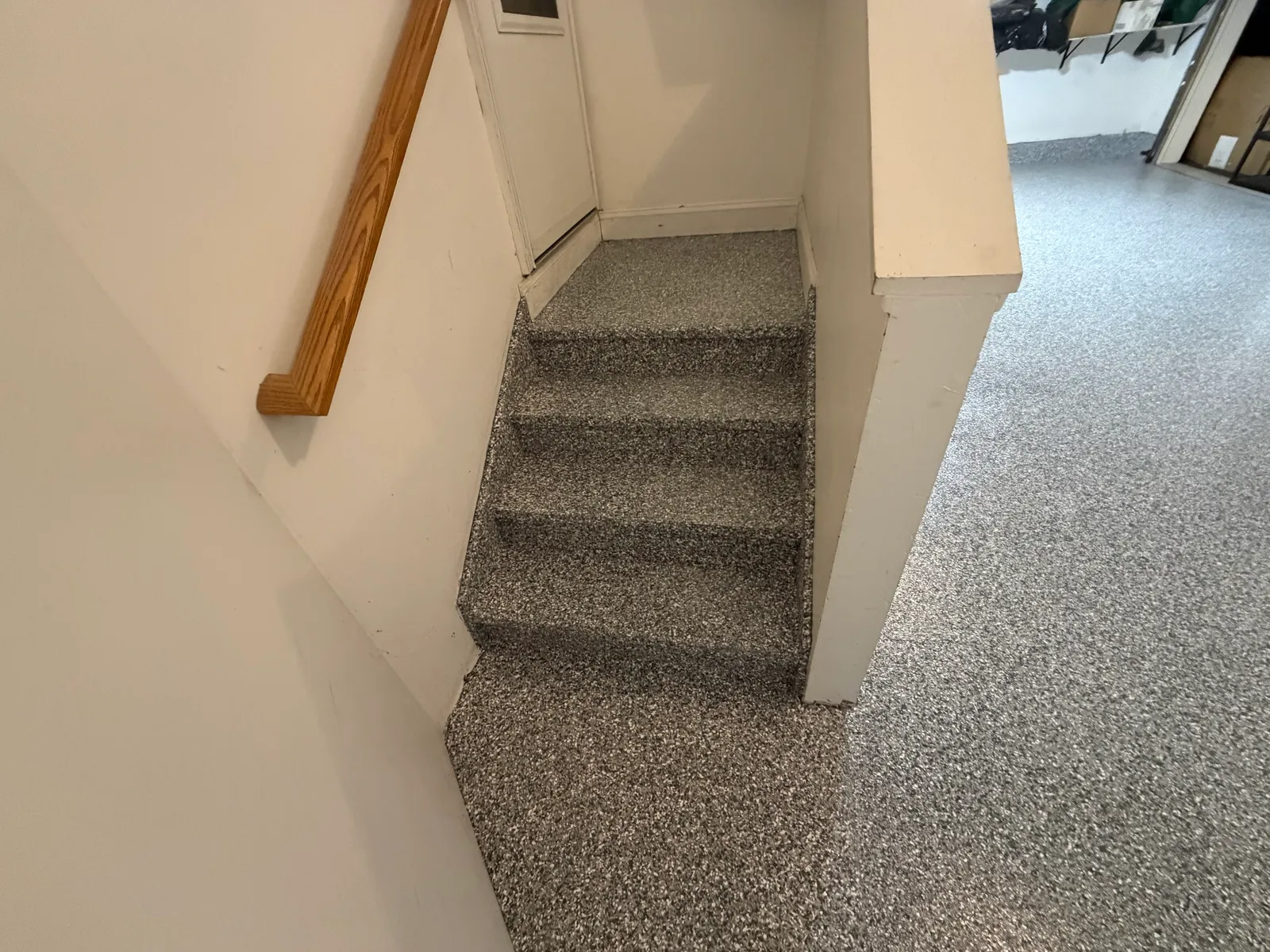
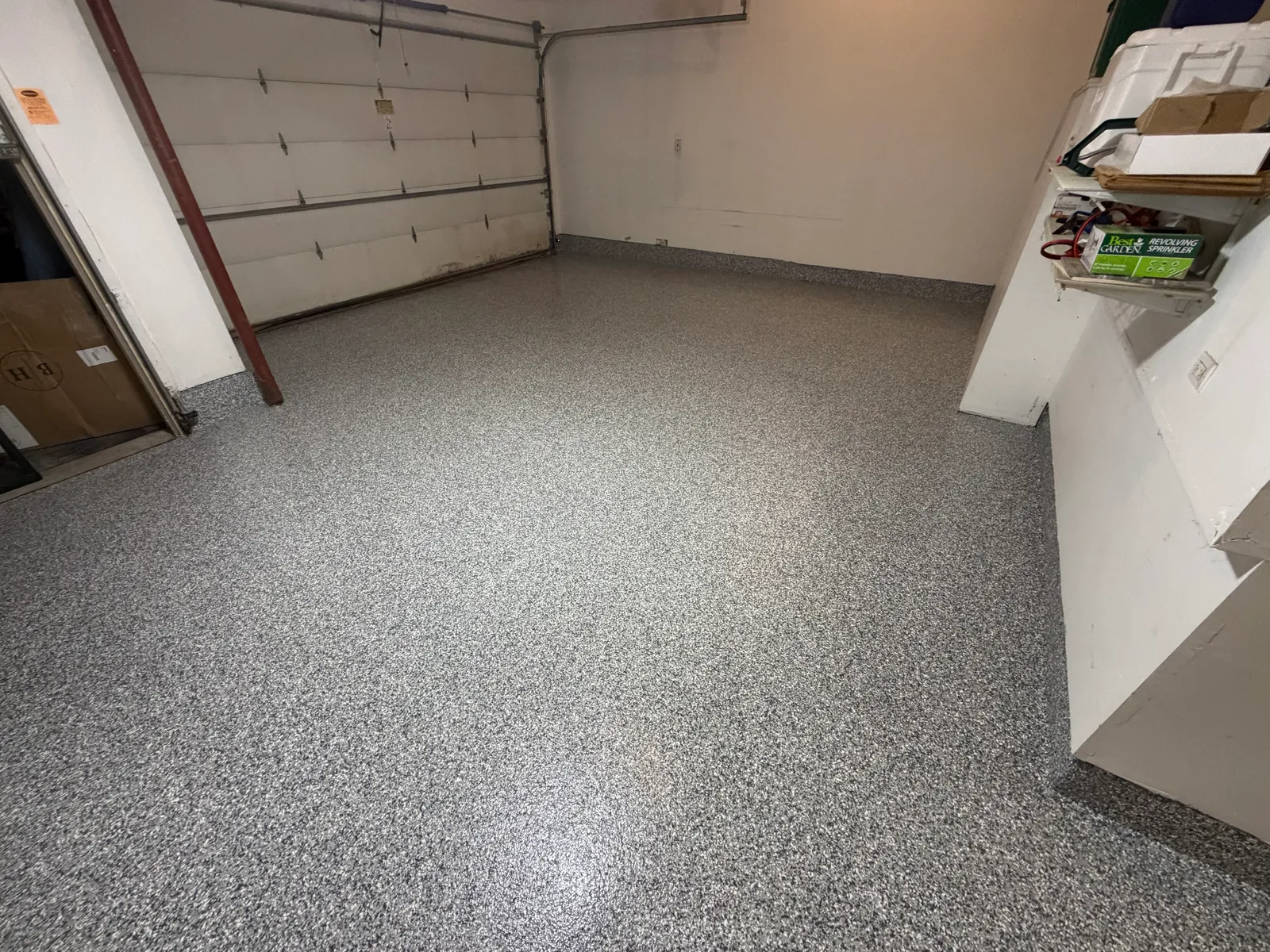
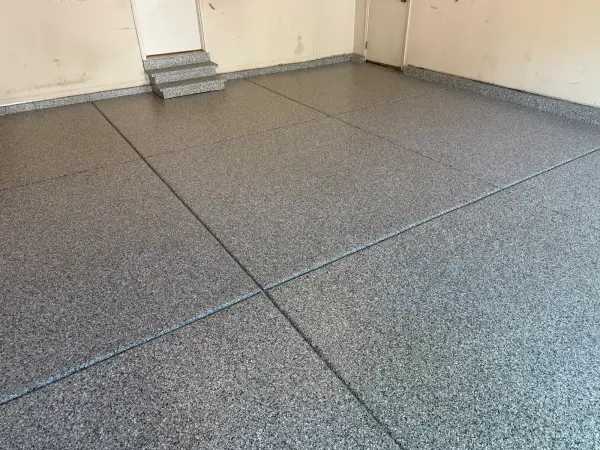
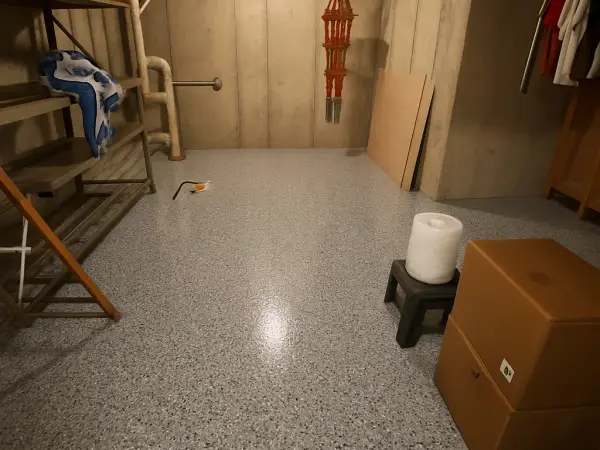
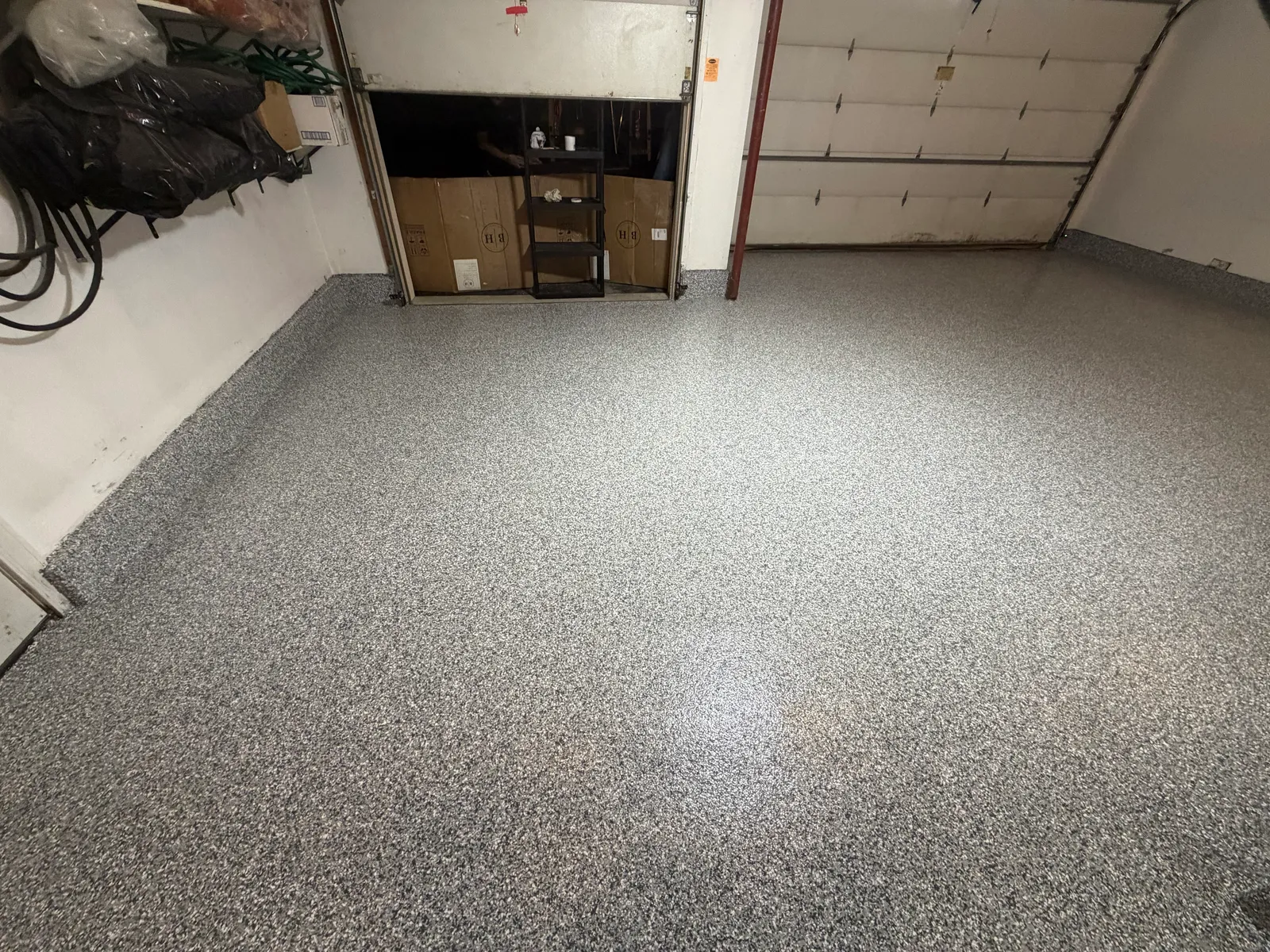
Next came the polyurea base coat, with the Gravel flake broadcast to full coverage, meaning we kept throwing chips until the wet base couldn't hold any more. Once it set, we scraped and vacuumed off the loose flake. The clear polyaspartic topcoat went over everything, and we mixed aluminum oxide grit into it across all 620 square feet for better traction underfoot. The same system ran up the 80 feet of curb, so the floor and walls meet as one sealed surface. It's the layered approach behind our polyurea garage coating work.
The whole install took one day. The homeowner could walk on the floor after about 12 hours and park on it after about 48 hours. If you've got a newer garage with clean concrete, this job is a good picture of what to expect: no repairs to work around, but the grinding still matters just as much, and getting the coating on early keeps that fresh slab protected from the start.