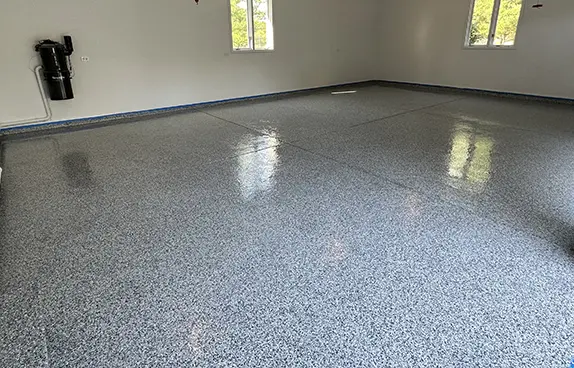
A well-protected and aesthetically pleasing garage floor is a crucial aspect of any functional and visually appealing garage space. With a plethora of options available, choosing the right garage floor coating can be a daunting task. In this blog post, we will take a closer look at epoxy vs polyaspartic what is best for your garage floor - comparing their properties, applications, and benefits to help you make an informed decision for your garage floor.
Key Takeaways
Both coatings protect and improve garage floors. Epoxy works better indoors.
Epoxy lets you customize but needs upkeep. Polyaspartic is more durable and resists UV better.
Consider budget, durability, and the environment when choosing. That helps you pick the best coating for your garage floor.
Understanding Epoxy and Polyaspartic Coatings
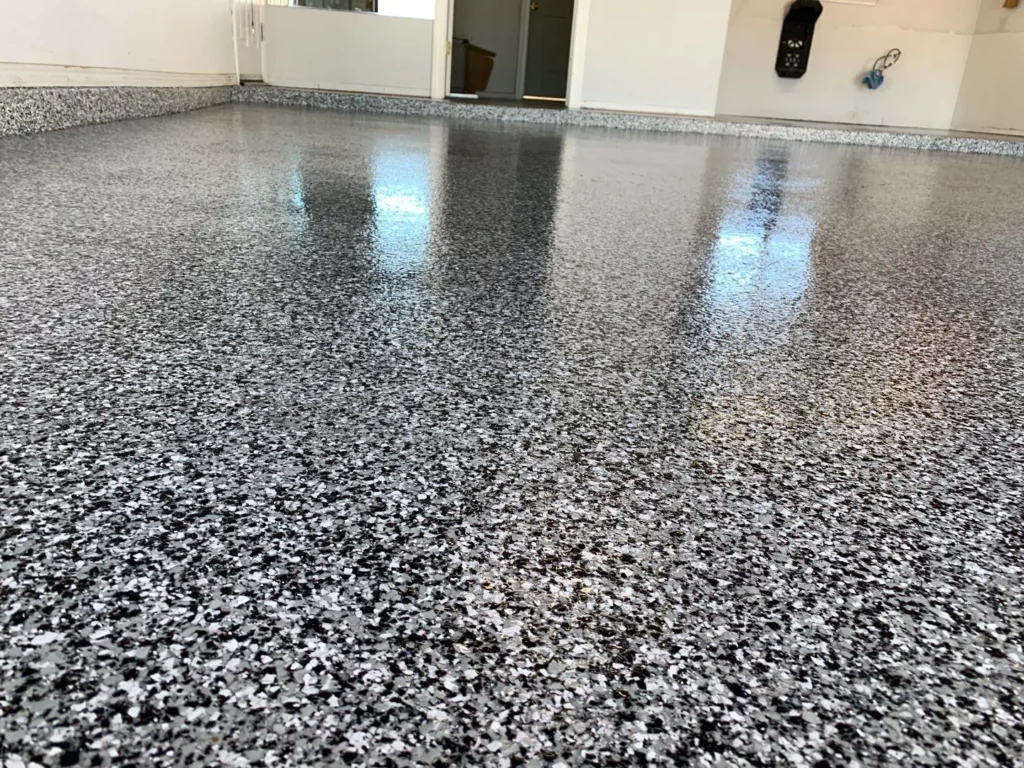
Epoxy and polyaspartic coatings are the most commonly used garage floor coatings, both providing protection and decorative appeal for concrete garage floors, including the concrete floor itself. While epoxy coatings are resin polymers best suited for indoor use, polyaspartic coatings are a more modern, heat-resistant, and chemical-resistant alternative.
Let's look at the traits, benefits, and drawbacks of both types.
Epoxy Coatings
Epoxy coatings are resin polymers that have been employed to safeguard concrete floors, particularly in garage flooring, for many years. Primers, color bases, and polyurethane are the essential components of an epoxy floor coating. Different layers of these compounds establish the look and long-lasting protection of epoxy floors.
Epoxy coatings can be customized. They work well indoors and protect concrete garage floors. But they can chip and fade over time.
Polyaspartic Coatings
Polyaspartic coatings are a newer invention, initially developed in the late 1990s for mitigating rust and corrosion on steel structures. They offer:
Enhanced durability
Flexibility
Resistance to wear and tear compared to epoxy coating
Strong UV resistance, so colors stay bright for a long time.
When it comes to garage floors, polyaspartic coatings such as FloortexTM provide superior protection compared to most epoxy flooring systems.
Comparing Durability and Lifespan
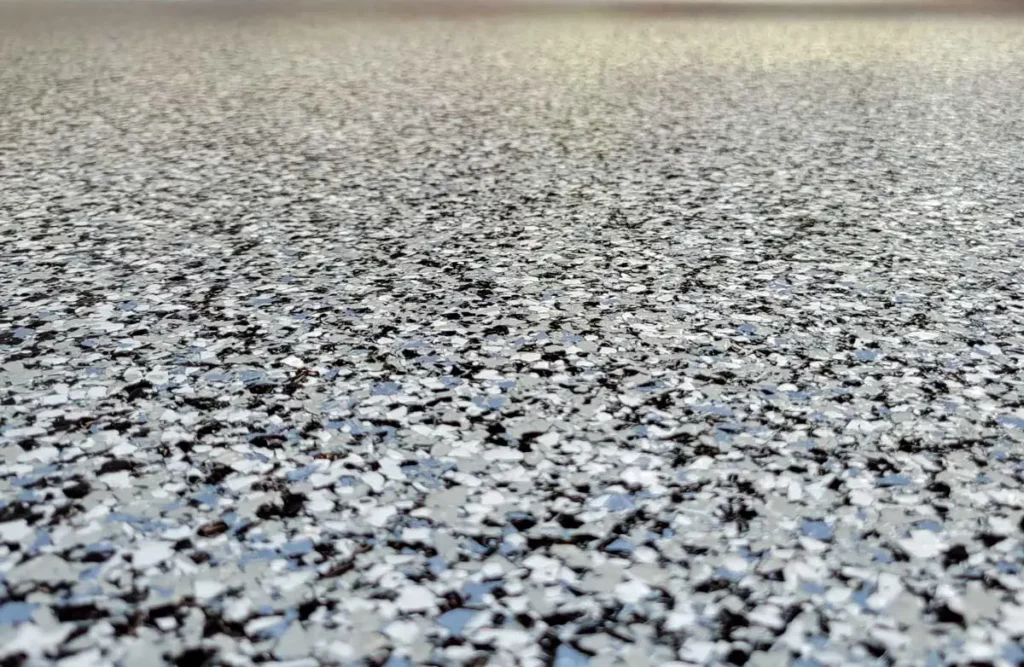
Durability and lifespan are significant considerations when choosing a garage floor coating. While epoxy coatings are durable, they may be prone to cracking and fading over time. On the other hand, polyaspartic coatings offer enhanced durability, flexibility, and resistance to wear and tear.
We will now weigh up the durability and lifespan of these two widely-used garage floor coatings.
Epoxy Durability
Epoxy coatings are known for their durability and longevity, being highly resistant to:
chemicals
stains
cracks
scratches
With proper use and maintenance, epoxy coatings can last between 10 and 20 years.
However, they may be prone to cracking and fading over time due to factors such as UV exposure.
Polyaspartic Durability
Polyaspartic coatings offer superior durability, strength, and resilience to wear and tear compared to epoxy coatings. These coatings can last up to 20 years, providing protection against abrasion, chemicals, and UV radiation.
A professionally applied polyaspartic floor coating, such as Floortex(TM), can last up to a decade or more, outlasting many epoxy coatings.
Installation Process and Time
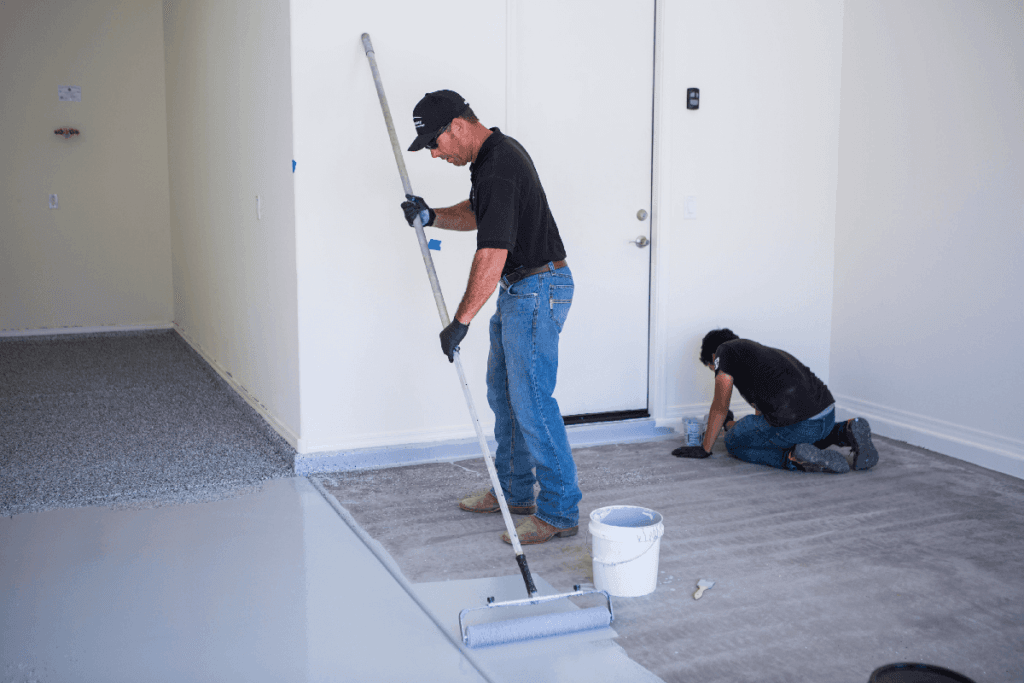
Installation differs between epoxy and polyaspartic coatings. Epoxy is better for DIY jobs. But it needs a longer drying time.
Polyaspartic installs faster. But you usually need a pro for good results. Below we cover the installation steps and time for each type.
Epoxy Installation
Epoxy installation is fairly simple for DIY. But it needs a longer drying time. You usually apply a primer, a color base coat, and two polyurethane top coats.
Epoxy needs at least 50-55° F (10-13° C) to apply. Do not apply if temps go above 85-90° F (29-32° C). Wear a respirator with an acid filter when applying epoxy to your garage floor.
Polyaspartic Installation
Polyaspartic installation is advantageous due to its:
Rapid drying times
Low VOC emissions
Single-day installation process
Less odor than epoxy coatings.
But polyaspartic dries so fast you have little room for error. That often means you need a pro for good results.
Polyaspartic can be applied in many different temperatures. So you can install it any time of year.
Customization and Aesthetics
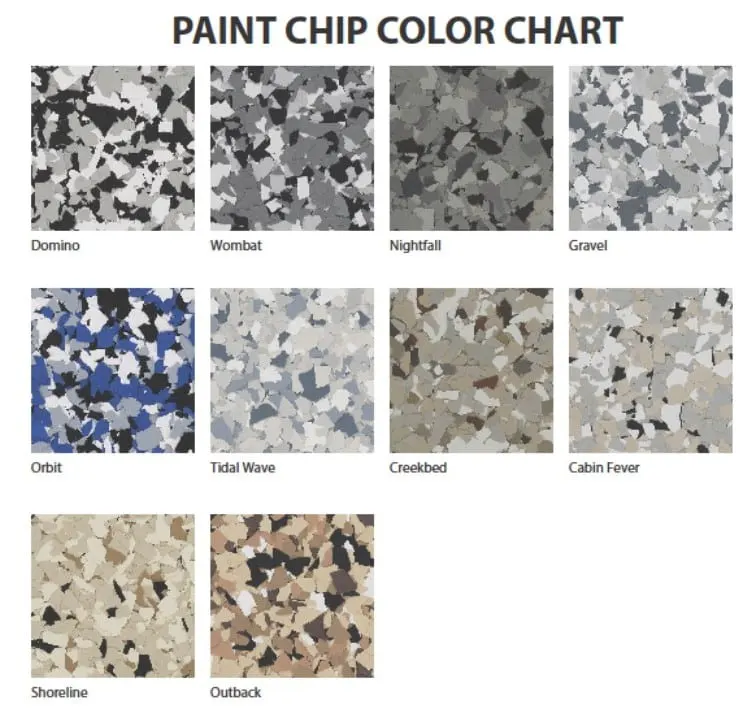
You can customize both epoxy and polyaspartic coatings to match your style. Decorative flakes can be added to both types. Flakes add texture and visual interest.
Now, let's look at customization and style options for both coatings.
Epoxy Customization
Epoxy offers many color choices. You can add vinyl flake coatings to get the look you want. Epoxy has more colors than polyaspartic. That lets you create a unique look for your garage.
Polyaspartic Customization
Polyaspartic has fewer colors than epoxy. But it still offers a range of colors, patterns, textures, and flakes for custom looks.
Polyaspartic coatings like Floortex(TM) use high-quality decorative flakes. They give your garage floor a long-lasting, great look.
Cost Comparison

Several factors affect cost. These include the size of the area and the condition of the concrete. Epoxy usually costs less than polyaspartic. But epoxy may need more maintenance over time.
Polyaspartic costs more but lasts longer. Let's compare the costs for each.
Epoxy Costs
Epoxy coatings are generally more affordable, with costs ranging from $4 to $7 per square foot. However, they may require more maintenance over time due to factors such as cracking and fading.
The affordability of epoxy coatings makes them an attractive option for those on a tight budget.
Polyaspartic Costs
Polyaspartic coatings are more expensive than epoxy coatings, with costs ranging from $6 to over $10.00 per square foot. However, their added durability and longevity may make the investment worthwhile.
If you want long-lasting protection and a great look, polyaspartic may be the better choice despite the higher cost.
Environmental Impact and Safety
Think about the environment and safety when choosing a coating. Epoxy may give off more VOCs and smell stronger. That can affect air quality. Polyaspartic has lower VOCs and less odor. That makes it a safer choice if you are sensitive to fumes.
Below we assess the environmental impact and safety of both coatings.
Epoxy Environmental Impact
Epoxy can harm the environment. It gives off volatile organic compounds (VOCs). These VOCs add to air pollution and hurt air quality.
Epoxy resin is usually made from petroleum. Petroleum products can harm the environment. But we do not yet know how much epoxy affects the environment.
Polyaspartic Environmental Impact
Polyaspartic coatings affect the environment less than other coatings. They give off fewer VOCs and use fewer harmful materials.
With fewer VOCs and less odor, polyaspartic works better for people who are sensitive to fumes or care about the environment.
Choosing the Right Coating for Your Garage Floor

Choosing the right coating depends on:
Budget
Durability
Aesthetics
Environmental impact
Epoxy costs less and you can customize it. It works well indoors. But it can crack and fade over time.
Polyaspartic is more durable and resists UV better. It also lasts longer. But it costs more and has fewer colors.
Weigh the pros and cons of both options. Also think about your needs. If budget matters most and you want lots of custom choices, epoxy may be best. If durability, UV resistance, and a long life matter more, polyaspartic may be worth the extra cost.
Summary
Both epoxy and polyaspartic have clear benefits. Epoxy is cheaper and more customizable. Polyaspartic is more durable and resists UV better. It also lasts longer. Consider your budget, durability needs, looks, and the environment. Then you can pick the right coating for your garage floor.
Frequently Asked Questions
Is polyaspartic really better than epoxy?
Polyaspartic handles temperature changes better than epoxy. It is also less affected by stress. That makes it more durable. It will not chip, scratch, or scuff. You can install it any time of year. That makes it a top choice for most garages.
Is polyaspartic good for garage floor?
Polyaspartic works great for garage floors. You can apply it in many weather and temperature conditions. It is durable and resists stains and scratches.
What are the main differences between epoxy and polyaspartic coatings?
Epoxy works best indoors. Polyaspartic resists heat, chemicals, and UV light better. That means it is more durable and protects your floor longer.
How long does it take for epoxy and polyaspartic coatings to cure?
Epoxy takes several days to dry. It can take up to a month to fully cure. Polyaspartic can cure in one day.
Can I customize my garage floor coating with decorative flakes?
Yes, you can add decorative flakes to your garage floor coating. They add texture and style.